
The tale of how Dal Pakwaan, a functional and economical dish, came to represent the ethos of one of India’s most enterprising communities — the Sindhis, and comfort.
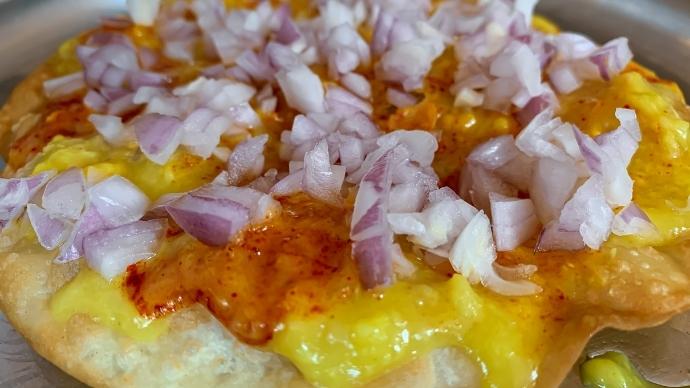
Picture Dal Pakwaan. On the fore, it has a rather simplistic appearance — there is dal, a crisp Pakwaan and spicy chutney, whose sole role is elevating the flavours to a personal preference and taste. But that is till you have tasted the dish, at which point you realise its profoundness. Dal Pakwaan, which is amongst the oldest dishes in the Sindhi culinary ledger, lives up to the moniker of being a Warrior’s Breakfast. On economics, it is as affordable as poori bhaji; in comfort, it has the same soul-calming satiation as a khichdi; in satiation, it equals Chhole Bature or Puttu and Kadala curry; in composition and ingenuity, it shares the spot with none other than Dal, Baati, Churma; and in creative liberty, it equals any form of papdi chaat known to us today.
But is that why Dal Pakwaan, a must-have on any festive occasion and otherwise, is such a celebrated dish of the Sindhis — and a memorable first introduction to their culinary tapestry? To a large extent, yes, says culinary custodian Chef Pradeep Tejwani, Founder, Young Turks. “Dal Pakwaan or Dal Tikkar as we call it,” he says, “to Sindhis has the same connotation as perhaps Sattu to the Biharis or Dahi-Chuda to the Odias. It is at the very foundation of our community and is undoubtedly the finest representation of our life’s philosophy.”
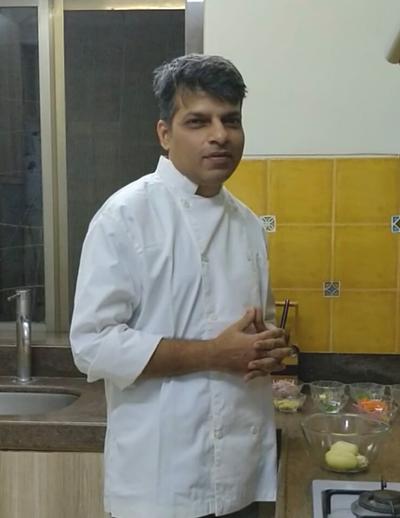
Think about it, Chef Tejwani continues, “the dal is slow cooked with minimum spices — most recipes only call for salt, cumin, and asafoetida (not even turmeric). The tempering which is the second layer of tastemaking is a simple, and rather effective one, with amchur, ghee and chillies that allows for the right kind of tartness and heat to make it a delicious affair. The Pakwaan, which technically is the main source of energy, is crisped enough to not only digest well but also give it the shelf life to travel. The fact that the atta has ajwain and salt works towards making this heavy treat digestible.”
The brilliance of the dish, however, is in its chutney, which is both the tastemaker and the first flavourant towards the addictiveness of Dal Pakwaan. Incidentally, says the seasoned chef, “it is in the chutney that the Sindhi culinary ingenuity and adaptivity is reflected the best. Hailing from the dry, hot region of the Sindh, the chutney, which is a popular ancient method of adding taste and popular across what once was erstwhile Sindh and Rajasthan, is the relish that lends Dal Pakwaan that unique blend of familiarity and uniqueness — and in some fashion that allowance to get creative as well.”
A prove of this is the Doli Nasta Wala, one of the iconic places in Ulhasnagar famous for this breakfast dish, which over the years has not only added a side of onions, lemon and chillies to further elevate the likeability of this easy-on-the-palate dish, but also a version that uses pav or bread soaked in the dal as a lighter alternative to this calorie-rich creation.
The many muses of Dal Pakwaan
Another variant is the chaat version in which, says Chef Tejwani who hails from the R&R zone where the Sindhis first settled after migrating to Mumbai (then Bombay), “the Pakwaan prepared in Satura or seven-layer style, is roughly crushed and then layered with the Dal, which has been tempered and then topped with chutney and a mélange of green salads including onions and chillies to give the dish its crunchy texture and freshness.”
Another noteworthy take on the Dal Pakwaan are the versions created by Chef Manish Mehrotra, Culinary Director, Indian Accent, who considers Sindhi cuisine one of the most fascinating cultures with a wider palate appeal, and Dal Pakwaan, an ultimate comfort food. That amazing familiarity of dal which remains an integral part of the Indian (including erstwhile) culinary ledger, easiness on the palate along with the unique Sindhi approach towards vegetables, says Chef Mehrotra, “were the few reasons that inspired me to choose many Sindhi dishes for both Indian Accent’s Tasting Menu and Comorin. And one dish that was an absolute must for the sheer balminess and satiation was the popular breakfast Dal Pakwaan. Our versions, of course, are an ode to the street food vendors who took the iconic street food, added their own twist and made it even more popular both in the streets of Mumbai and Gujarat.”
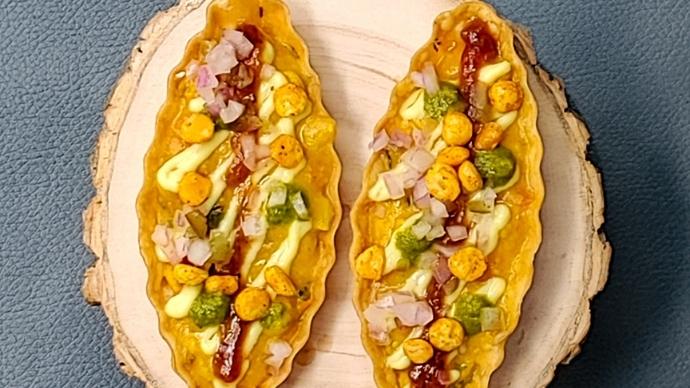
So the Dal Pakwaan in Comorin, continues the modern Indian food specialist, “in true street ‘chaat’ style comes garnished with pickled chillies, onions, a bevy of chutneys — the whole nine yard of deliciousness; while in Indian Accent, the Pakwaan is turned into crisp, delicate tarts filled with channa dal mixture and topped with a chutney made with green khaman dhokla that adds a different layer of flavours, and is a perfect mélange of Sindhi and Gujarati essences.”
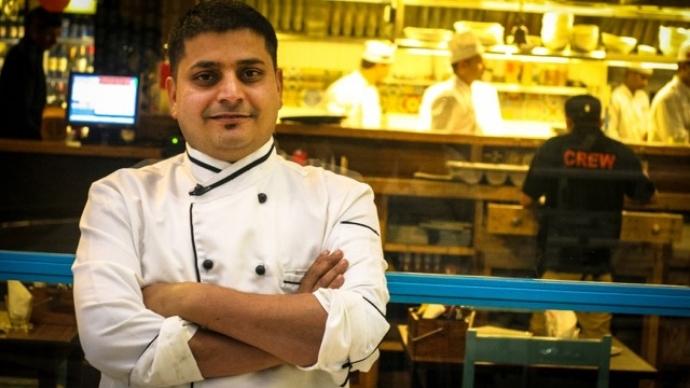
Fascinatingly, the street vendor-take on the popular Sindhi breakfast has inspired not just Chef Mehrotra but many to give this served-in-a-thali meal a more finger food kind of chutzpah — be it the Dal Pakwaan taco-style, Dal Pakwaan nachos-style bowl and Sindhi cuisine specialist and consultant Chef Bharat Khemani’s papdi-chaat style, to name a few. But for Chef Ashish Singh, Corporate Chef, Dhansoo Café — whose introduction to Dal Pakwaan happened when one of his vendors offered him his lunchbox for a taste — it’s the traditional style that works the best. “There is something about this dish which instantly reminds one of home,” he says, “and the reason why dal became such a comforting, omnipresent aspect of our cuisine. Both dal and the Pakwaan, which is an interesting version of the poori, have this amazing ability to not just satiate but connect as well. One bite of Dal Pakwaan and one is ready to explore more of the Sindhi food.”
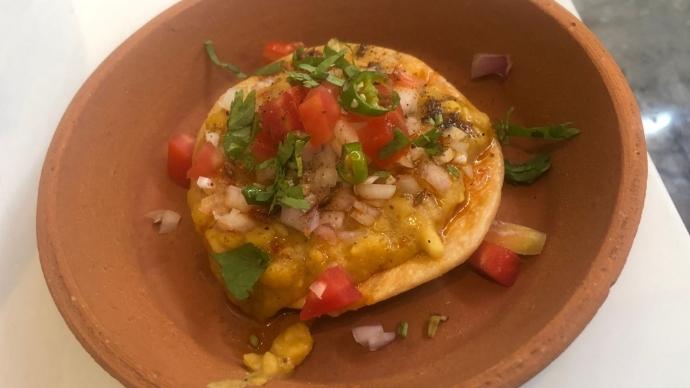
Chef Singh’s version at Dhansoo Café, in fact, is his ode to this very nature of Dal Pakwaan, where he uses a combination of sweet-sour chutney and a homely style of serving to get diners addicted to the charm of this Sindhi breakfast.
The history & the rise of Dal Pakwaan
How did something so delicious came to the fore?
According to Chef Khemani, “the idea of Dal Pakwaan, which could easily be counted as one of the foundation dishes of our food tapestry, was footed by two distinct reasons: One, the dry and arid land of Sindh with an extreme climate that demanded the food to be hot and self-digesting; and two, functionality with zero wastage. As a community that built its fortunes on the Silk Route and was exposed to myriad influences from across the globe, the need for functional food was imperative. Any dish had to have shelf life, could satiate, and needed less labouring over. Dal, channa dal to be specific, in that case came as a preferred choice because it was easily accessible, and the lentil slow cooked well with minimal spices. Jazzed up with the chutneys and clever tempering, it ably served the dual purpose of an accompaniment to stale chapatis, satpura or Pakwaan; and to be enjoyed on its own as well.”
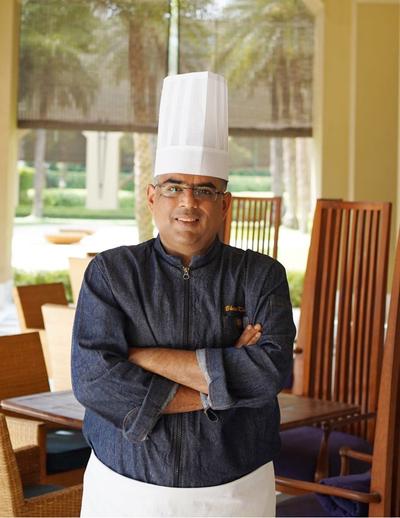
In fact, adds Chef Tejwani, “the composition of the dal and Pakwaan and the way these are cooked and flavoured with ajwain, zeera, hing was intentionally done to create a dish that wasn’t just nourishing and travel worthy, but one which could be had at any hour of the day. And that is what made Dal Pakwaan such an integral part of our table, accepted across the Sindhi community and also travelling with us as we migrated to new places post partition.”
A prove of a Sindhi’s undying love for Dal Pakwaan can be gauged by the number of thelas (portable meal carts) and hole-in-the-wall eateries that mushroomed in Ulhasnagar selling Dal Pakwaan to those who were building life once again. It was the best sustenance then and a fond reminder of home in a new place, recalls Chef Tejwani, who believes that the many businesses in Ulhasnagar and elsewhere were developed on the comfort of Dal Pakwaan. It is like a good luck charm for us for a new day, he concludes.

Read more.