
A dry mutton dish’s spicy trail from Maharashtra to Tamil Nadu to Telangana.

Mutton Chukka (or Sukka), a relatively spicy, tasty, dry consistency dish, was what Chef Nimish Bhatia, Founder, Nimisserie Bespoke, Bengaluru, chose to recreate five years ago for his special table. Having spent years researching the cuisine of the erstwhile Chola kingdom, Chef Bhatia had collated a bevy of traditional dishes along with their versions including that of Mutton Chukka – a hallmark of Tamil culinary ingenuity. The issue at hand, however, recalls the haute cuisine specialist, “was which version to select”.

“The beauty of Mutton Chukka,” says Chef Bhatia, “was that it had many takes, even in Tamil Nadu, a place where the chukka concept was curated and evolved. It had a Madurai version, one from Thanjavur, and the Chettinad specialty, each with its own nuances and flavours – and all popular.” No wonder then that he chose the well-known and loved Nagarathars’ creation, after exploring all the versions of a dish he easily considers “one of the fascinating edible timelines of a period that saw India prosper and gain the sobriquet of ‘golden bird’.”
The different shades of Mutton Chukka
Chef Bhatia has good reasons to do so too. “This popular, relatively dry mutton dish finds mention not just in the port annals, especially of Madurai, but also in different literature of the Sangam era,” says Chef Sandeep Sadanandan of Byg Brewski.
The Tamil version uses a lot of traditional spices that trade brought, along with pepper. According to Chef Sadanandan, “The Karnataka one has chilli, both Byadagi and Guntur, for spice and colour. This is why the Mangalorean version is a shade of scarlet, the brown from Tamil Nadu, or the pepper fry dark from Kerala.”
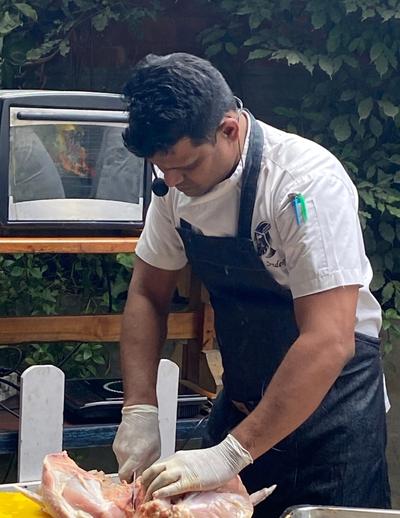
The characteristic difference lies in the spice and its usage, says Zambar’s Masterchef Vetrimurugan Natesan, whose Mutton Chukka recipe comes from the Veeranar temple in Thanjavur, said to be one of the two places the dish originated from.
While the Chettinad version uses a bevy of warm spices led by pepper along with desiccated coconut to give that trademark spiciness, continues Chef Natesan, “Madurai uses dry powder, and the Thanjavur Chukka is made with wet masala with two aromatic spices — Kal Pasi and Marathi Moggu — giving it that characteristic aroma and taste”.
Mutton Chukka’s spicy trail
Executive Chef Yogendra Pal of Grand Hyatt Kochi, Bolgatty says, “The Chukka may have been the result of either the arid climate that made mutton and chicken (Mangalore) popular instead of other preferred meat of that time or because red meat, especially mutton, became a more sustainable option to feed a large number of regular tradesmen. This could explain why even in Tamil Nadu one can find the spiciest Mutton Chukka as well as a semi-gravy one that till date is served with dosai.”
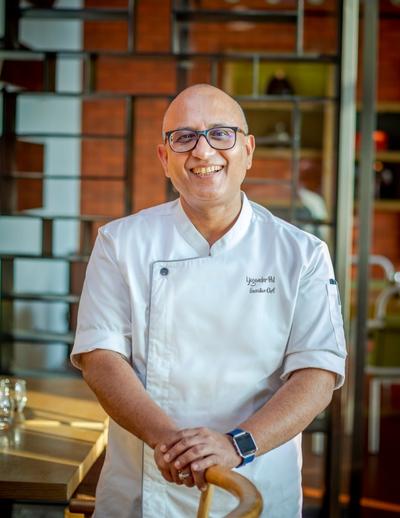
What remained unchanged in most of these versions is the way mutton was cooked in a big earthen pot along with turmeric, ginger, and bay leaf till the meat was tender. The culinary specialist explains, “While the older places continued cooking it like a meat curry and reducing the gravy to nothing before peppering it with masalas, podi style is by adding the masala in two different stages and reducing the gravy just enough so it can be had both with rice, dosai, appam and later with paratha.”
Mutton ‘matters’
Another characteristic of Mutton Chukka that endures, says Chef Sadanandan, is the mutton quality. “While those in Tamil Nadu preferred the Mecheri goat, the Karnataka side chose the Malabari breed, while Andhra loved Nellore as these were not just indigenous breeds but also fed on local farms that made their meat tender and tastier,” he explains.
The other reason for selecting a local breed, adds Chef Pal “was the short duration the meat would travel plus the brief cooking time as warm mutton marinated well and tasted better, the latter especially was crucial for the popularity of Mutton Chukka and its eventual debut across cultures.”
Back to the Cholas

There are many theories, explains culinary custodian Shri Bala, as to how the Chukka came into being. “The first, of course, is attributed to the Nagarathars who created the Chettinad format after they settled in a region that was arid. Bereft of the green abundance they were used to, the affluent trading and warrior clan took to red meat and eventually chicken to create a spread that showcased abundance. Mutton Chukka, which initially was said to be another format that could be created from a curry without additional prep work and yet had a standalone dish distinction, fit the bill perfectly,” he explains.
Another story, of course, adds Chef Bhatia, is how the port-temple town of Madurai created the dish due to the traveling crews’ demand for something less cumbersome. “The cooks of Madurai devised a way to serve their curries in a dry format with a twist. Thus was born Mutton Chukka that was finished with a warm spice mix much akin to the aromatic garam masala of the North,” he affirms.

However, adds Bala, “The most believable (and plausible) account is that Saurashtrian weavers brought the Mutton Sukka. Apparently, the Chola dynasty invited weavers from across the kingdom to come to Thanjavur and establish an art centre. Thanks to one such immigrating community — the skilled weavers of Maharashtra — that Sukka first appeared in the Chola capital city and eventually was localised as Chukka.”
Sukka To Chukka
The original Sukka, says Chef Vivek Pawar, “used kanda-lesun (onion-garlic) along with a spice mix made with nutmeg, lichen, black cardamoms, copra (desiccated coconut), sesame seeds, and mustard to flavour its version that was cooked much like a curry till the gravy evaporated, leaving masala-encased bits of juicy mutton pieces that went delightfully well with rice, and could be had as an appetiser. In Tamil Nadu, the red onions were replaced with Madras onions, and the spice mix was recreated with the local spices available and curry leaf. The result was the creation of a new dish that had the ease of a finger food but flavours that appealed to the palate there.”

According to Chef Pal, “An example of how much the dish has evolved over the years isn’t only the new ingredients like chilli into the foray but tomatoes and lemon too.” Chef Natesan’s Mutton Sukka, Zambar’s and his signature dish, uses lemon. The sourness of the lemon enhances and elevates the warm spices, ensuring there is a warm burst of flavour in your mouth.
With Mutton Chukka, the royal legacy continues…

Read more.