
Christmas in India: Synonymous with a cosy but grand meal at home by the fireplace while the mercury drops outside, the year-ending festival is a thing of delight for all. And you’ll be fascinated to know what a Christmas table looks like in different parts of India, as revealed by leading Indian chefs…
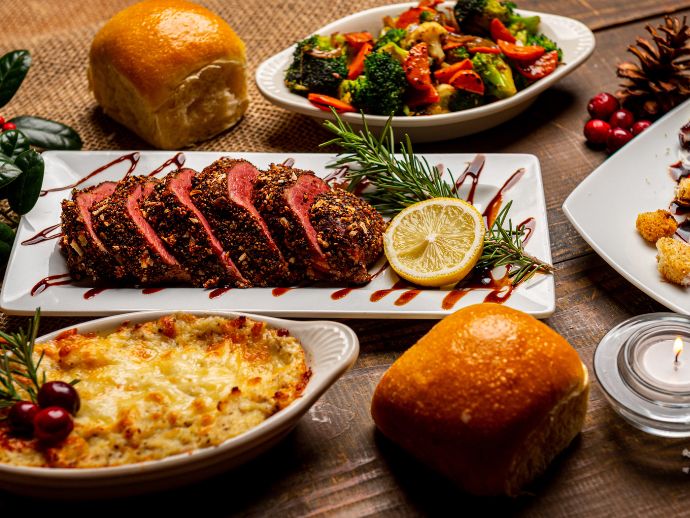
For a culinary dilettante who’s orbiting the cycle of the unbeknown when it comes to discerning the ‘whys and hows’ of numerous festivals that India celebrates, across cultures and communities, Christmas in India rings a bell of familiar celebrations and customs that on the face-value may look straightforward and well, common amongst every household.
But when you realise, a country that cradles countless pockets of traditions, languages, food habits and heritage, the way certain festivals are enjoyed begins to look different across states and cities. With Christmas in India inching closer, our first thought was how exactly the many, diverse parts of India ring in the Yuletide, which otherwise has inevitably been popularised with a mainstream Western lens.
Of the several things that bundle up the cheer of Christmas in India, food stands paramount. And why not—it is these classic, Christmas-drenched recipes that wreathe the dinner table into one, hosting friends and families together, served with endless dollops of love on the side.
Food episodes from Nagaland
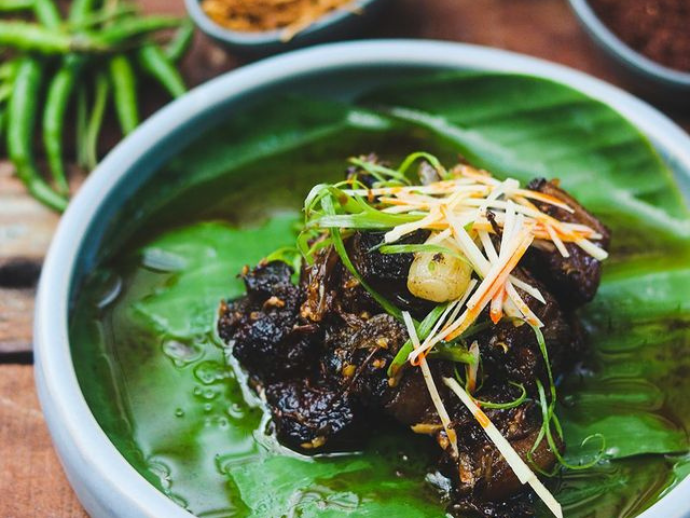
On early Christmas mornings, waking up to the visuals of exchanging food and meats like live duck and live chicken or pork, is how chef Alistair Lethorn describes the beginning of Yule. Born and raised in Nagaland and currently based out of Goa, chef Alistair says, “Christmas in Nagaland has always been about food more than anything else. And pork is a favourite for all.” In Nagaland, you can walk into any home during Christmas, and they’ll invite you to binge with them.
At large, there are about 18 plus tribes in this northeastern state and each tribe—from Sema, Lotha, Rongmei, Phom and others—has its own Baptist church. “A massive Christmas meal is seen at the churches too, where kilos and kilos of food is cooked, and the community comes together to eat.” The interesting thing is that the many tribes in Nagaland hold prowess in certain recipes and are famous for them. “The Semas specialise in axone, while the Lotha tribe makes the best bamboo shoots and Ao tribe makes great Anishi (a delicacy of fermented leaves made into little cakes or patties and fire-smoked).”
In a nutshell, highlights of a Christmas feast in Nagaland are usually ‘pork cooked in axone’ and ‘pork cooked in bamboo shoots’ on the table dressed up with a huge assembly of various types of chutneys made of mushroom or chives or soya and so on.
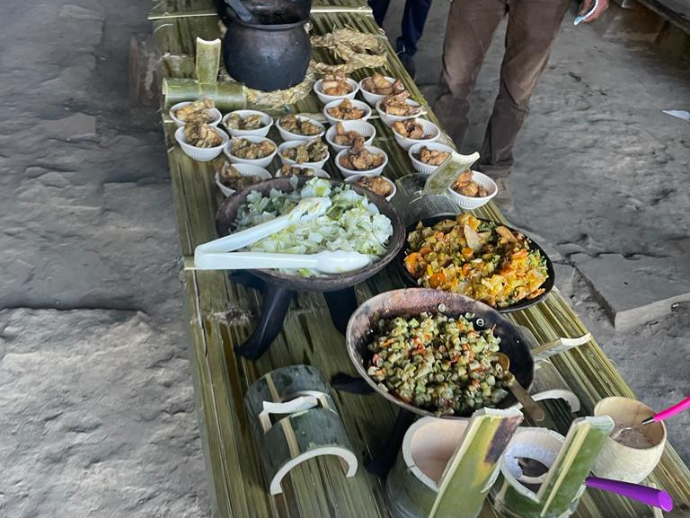
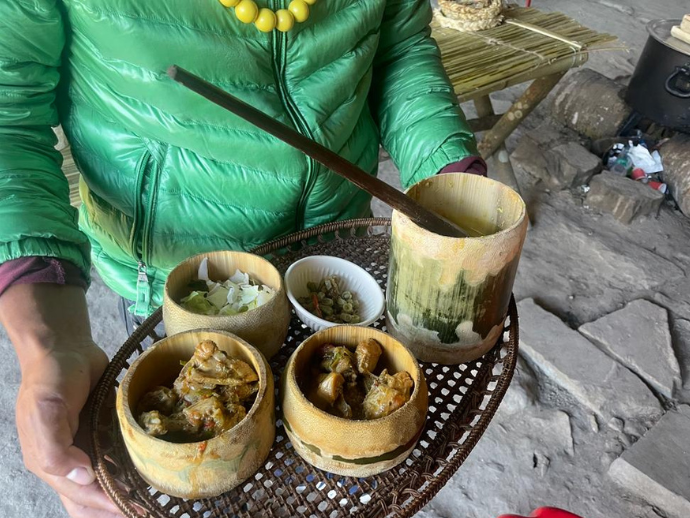
A traditional drink that flows through every household here is called Modu, a type of rice beer savoured by the locals. Chef Alistair says, “Nagaland is a dry state and modu is easily available and households make it too. Rongmei tribe makes great modu. There are specific families that have been doing this for generations and people prefer to source it from them.”
But what about the meal-enders or desserts during Christmas? Although, some families make black rice pudding and rice cakes at home for Christmas, predominantly Nagaland does not have a big dessert culture, chef Alistair divulges.
Food episodes from Goa
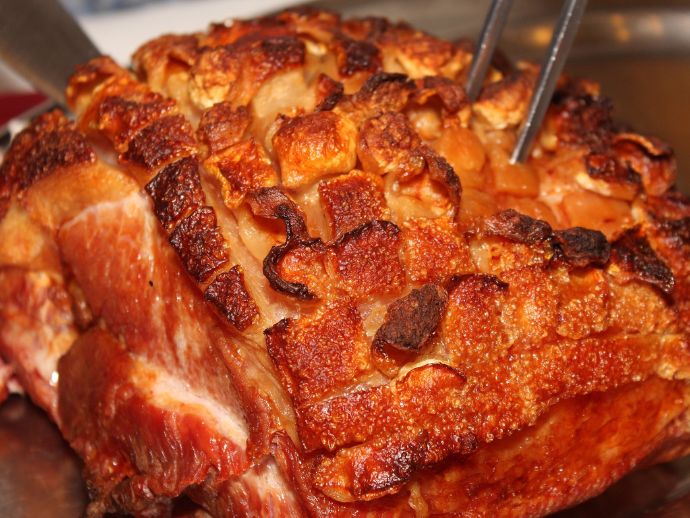
Like Nagaland, pork and beef are an integral part of Goa’s diet, too, throughout the year. However, come Christmas in India and there is a palatable spread of special dishes that the families in the palm and beach-fringed state like to indulge in.
Chef Rahul Gomes Pereira, popularly known as chef Picu, agrees, “Every household has a favourite traditional dish they always make during this time. Roast pigling is especially something that’s traditionally done for Christmas (and weddings), which is not usually seen on the dining tables on regular days.” In the modern days today, when families have moved out and newer homes have emerged in the city centre, people don’t cook it at home but order it instead, as it is in fact an elaborate recipe on its own,
“Called Leitão in Portuguese, the whole pig or pigling would traditionally be made at home in villages brought from a local piggery in the neighbourhood.” He adds, “From slaughtering, prepping, brining to drying and roasting it over a pit fire, every process of making pigling used to be done at home but not anymore.”
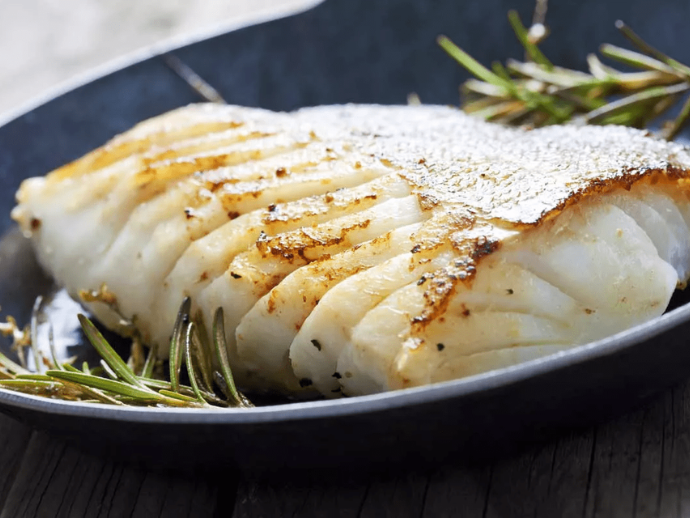
Chef Picu, originally from Divar, a jewel of the old Goa by the Mandovi River, has been living in Fontainhas, Panjim now. He recalls celebrating Christmas in India, “Growing up, my traditional Christmas feast would prominently include Bacalao—a Portuguese dish made with salted codfish—which you might not find commonly at a lot of places in Goa.” From their travels in Portugal, a lot of families would buy and bring packs of Bacalao to Goa and only unpack it in December for their Christmas meals.
Another traditional dish worth mentioning is Pork Cabidel, a lesser-known version of Pork Sorpotel that carries hints of the Portuguese heritage spilled on the culinary map of Goa. A crucial part of Pork Cabidel is its sauce made with fresh pork blood blended with vinegar.
Sweetmeats being a big part of a Christmas food table in Goa, homemade recipes such as kalkal ( bite-sized fried pastries made with sugar, flour, eggs and coconut milk) and Doce de grão (sweet yellow fudges made with Bengal gram) are popular on the festive dessert platter.
Another delightful Goan-Portuguese fusion comes alive in Bolo Sans Rival, a widely loved dessert in Goa made of powdered almonds or cashew nuts, sugar, egg whites and other ingredients. In the sea of cookies and plum cakes, chef Rahul fondly remembers the dessert that his family would make every year for Christmas, called crème da Jardalu, custard made with dried apricots with its nuts used as a garnish. In two words, “It’s brilliant!” as chef Rahul describes it himself.
An East Indian food episode
Setting the spotlight on a classic Christmas dessert besides the ever-so-favoured marzipan and date rolls in the East Indian community, chef Paul Kinny says, “One of the signature Christmas desserts popular among East Indians is Milk Cream. Milk cream is a cashew base cooked with milk and sugar. It is reduced to a very thick consistency and set in moulds. These can be cube or flower shaped, and require an advanced level of skill. They say the whiter the better, so you need to be technically sound to cook it otherwise the sugar and milk can get caramelized.”
A Syrian Christian food episode
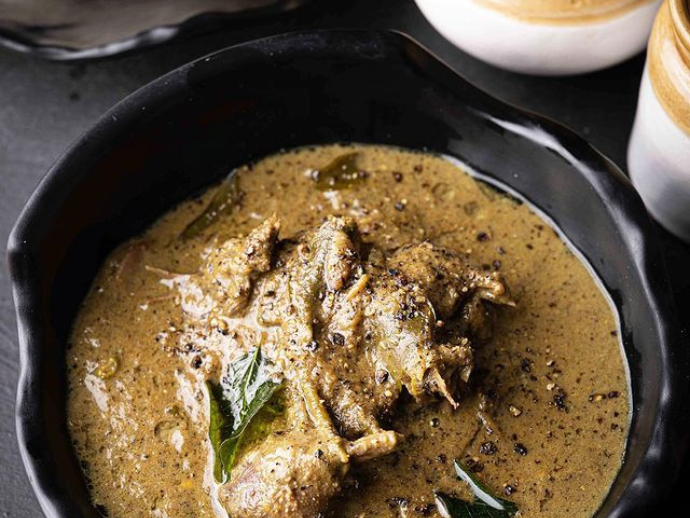
One of the oldest establishments of the Christian communities in India, the Syrian Christians of India dabble with a smorgasbord of ingredients including meats, seafood and vegetables that make up their table of traditional recipes. Their version of Christmas in India is a welcoming plate of flavours that resonate with non-vegetarians and vegetarians alike.
Chef Ragi Mathew of the Kerala-based specialty restaurant, Kappa Chakka Kandhari, elaborates, “We have 24 days of Advent, so we don’t take non-veg during that time. As a result, there are a lot of vegetarian dishes around before Christmas. Christmas Eve isn’t a big celebration so to speak. We break our Advent early on the 25th morning after coming back from church. Since we start with breakfast most of the time, there’s appam or kalappam with stew or chicken/beef curry depending on preferences. But appam is a must, everyone makes that.”
Read more:
7 Home bakers in India whisking a sweet storm with vegan and gluten-free desserts this Christmas