
From nondescriptive carry bags to effective branding tools endorsing sustainability and curating experiences, seasoned restaurateur Samir Kuckreja talks about the fascinating world of food packaging and its changing trends in current times.
Circa 2019: Well-known QSR brand KFC announces its new global sustainability commitment of turning all its plastic-based, consumer-facing packaging recoverable or reusable by 2025. The new initiative is part of Yum! Brands’ (the parent company) ongoing green campaign that has seen KFC collaborate with sustainable brands worldwide including ITC Ltd in India to source 100 percent of its paperboard for packaging to save 18,000 gallons of water annually. While the announcement placed KFC in a league of future-green companies, it brought to the fore the $24 billion packaging industry that has, says Samir Kuckreja, “been at the centre of convenience, marketing and branding for almost three decades.”

Of course, little did KFC or Kuckreja, a seasoned hospitality professional, know then that in a few months’ time, the world of packaging would see a 180-degree about turn, especially in the business of eating out where the role of food boxes till then was limited, says Samir, “either to the kitchen, for takeaways and in QSRs for their branding.”
In fact, he continues, “when we talk about restaurants, for almost three decades, the concept of packaging in India has been about functionality, even when they were part of branding of a certain mithai shop or QSRs like McDonalds or Nirula’s where they replaced the need for proper crockery and cutlery. The emphasis was always on the convenience with which the food could be served, transported, and consumed. The purpose never changed even as the industry, largely comprising of SMEs and MSMEs, shifted from corrugated boxes to versatile, food-grade aluminium or thermocol and then to the more economical alternatives of plastics that are not only easy to manage but came with a bonus of reusability.”

Such was the effect of the functionality, easy accessibility, and innovation that in about a decade of plastic proliferating the packaging market, it had become a mainstay of the F&B industry. In fact, a large part of the restaurant business today uses these packaging materials in some format or other, even though the usage remains visibly less than some of our Western peers where such packaging has become an issue of concern. Primarily because, says Kuckreja, “despite these materials deemed fit to pack/store food, their recyclability is that of a plastic. It takes a long time for it to disintegrate and is an evil when it comes to earth’s ecosystem, even if it is the lesser evil than say the plastic used in FMCG packaging, storing and other logistics.”
It was this realisation that made many companies in 2015, including the likes of KFC, begin shifting to earth-friendly products and forge collaborations with innovators who were working on greener alternatives. In India, however, this wave, recalls Kuckreja, “began as much as part of marketing strategy that would make a brand stand apart, and often was in terms of branding tools that ranged from the embossed paper carry bags, takeaway boxes, usage of glass bottles and recycled wooden stands, cutleries, and straws, as well as a few kitchen-to-table initiatives where traditional wrappers such as banana leaf were used to wrap food, and were showcased as one of the novelties.”
Then came the mandatory legislation that banned both single-use plastic containers and plastic bags. It was in the early months of 2018. Needless to say, explains Kuckreja, “what was by then one of the branding tools emerged as a sign of change, of the new vision of the company — and a symbol that was recognised and appreciated by diners around who saw the shift not just as earth friendly, but also as a great value addition to the experience.”
While shifting to more recyclable options wasn’t a big drive for the Indian food business, especially given the huge gap between demand and supply, and of course the lack of options that made the transformation much slower and expensive a process — it did however take a giant leap in the past two years.
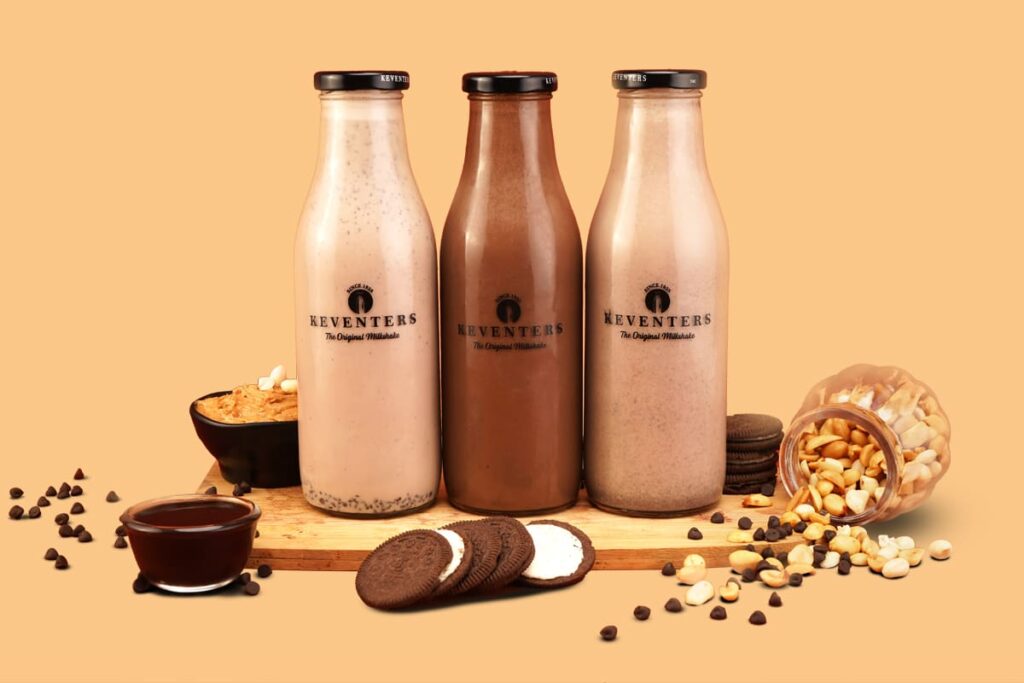
The lockdown proved to be the catalyst. With the world locked in the house, food businesses turned to what had remained a periphery segment: packaging. And with the growing demand for sustainable options from customers, began looking at options that married functionality as well as give an interesting dining experience. Incidentally, it was an expectation that was driven by the likes of Keventers and Biryani by Kilo — who thanks to their unique packaging selection had already transformed the idea of food ordered at home.
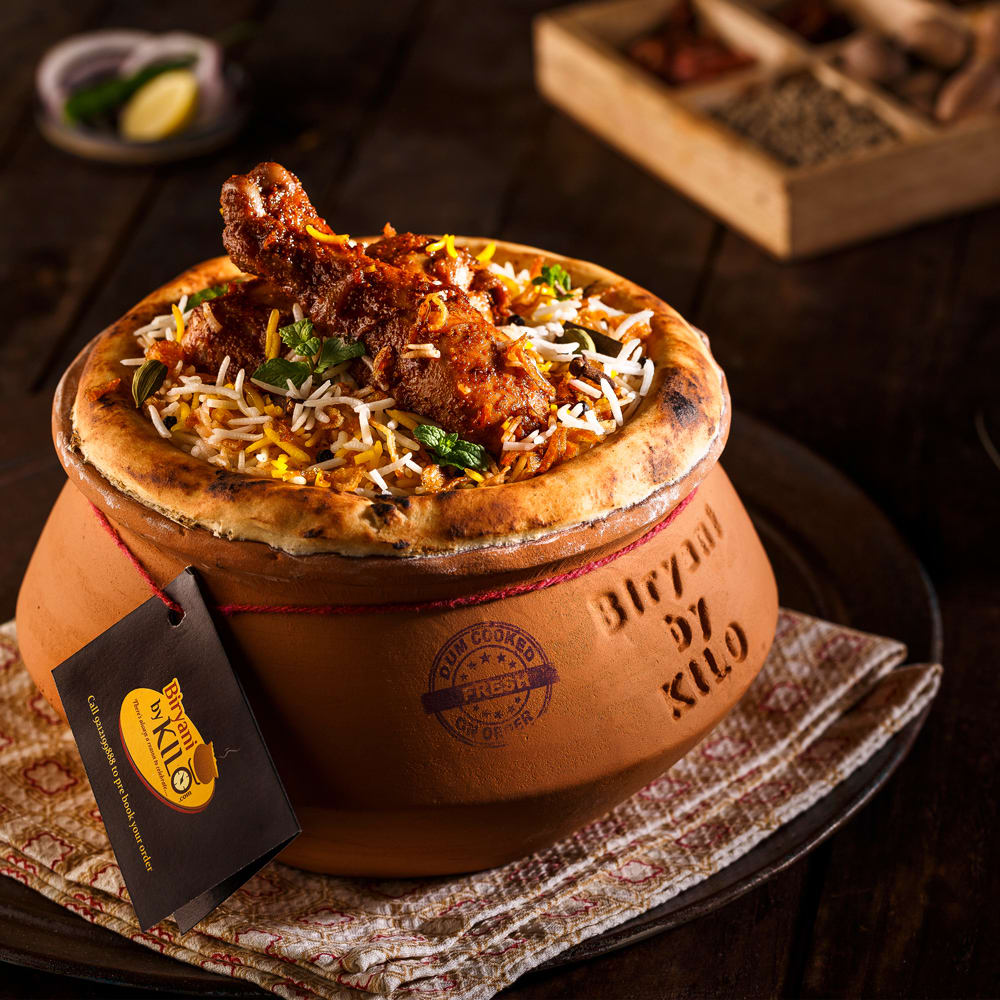
In fact, Biryani by Kilo is among the few brands who can today take the credit for upping the ordering game, says the seasoned hotelier, “by introducing eco-friendly earthen pots to deliver food. Similar is the case of Kumaoni Blessing, an artisanal cheese brand in Delhi-NCR that uses reusable paper bags for their products and Indian fusion eatery Pot Pot which, like Keventers, delivers all its products in glass jars.”
The list doesn’t end here. Thanks to the rising awareness and constant innovation done by companies like Bakeys and EdiblePRO — who were among the first few to introduce (and then improve upon) their offering of edible cutleries made from millets — and Self-Help Groups across the country who produce traditional packaging material made of leaves, along with earth-conscious brands like Ecoware that are proficient in creating tableware from crop waste, restaurants and restaurateurs too began investing in earth friendly options. A case in point is Parat, a cloud-kitchen run by Chef Harangad Singh, which opted for boxes made of sugarcane husk and potato starch spoons instead of plastic. Likewise, Embassy Leisure brands like Garam Masala and Bangalore Pizza Company preferred to shoulder the expense of using packaging made of recycled corrugated paper.
What has helped this eco-drive are the emergence of a new, niche segment that, says Samir, “work tirelessly at looking at more sustainable options, which includes the revival of some traditional packaging methods as well. Like Bumboo, the country’s first bamboo food packaging company, True Green and Earthsoul which have developed systems that can take care of a wide variety of needs of a food business, novelty included.”
However, when it comes to the big picture. India, as per the industry veteran, “still has miles to cover before we could develop a parallel packaging segment that is green and sustainable. But in the meantime, driven by the new awareness thanks to forums like COP26, the years ahead will see a lot of innovations — and investment in these innovations. As a result, the green packaging market, which is currently valued at USD 224.92 billion is expected to grow to 297 billion in 2024. And India could be a major contributor to it.”

Read more.
TD Conversations: Saket Gupta, Vice President, Marketing, Black Sheep Hotels