
A medieval hillfort on the coast of Canacona in South Goa, the appeal of Cabo de Rama goes beyond its striking ruins and gorgeous panoramas.
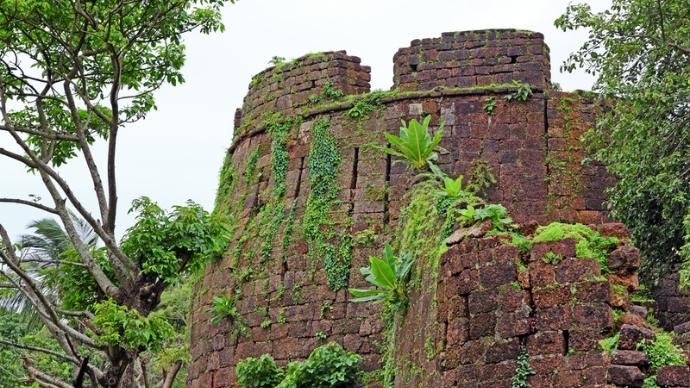
The fort of Cabo de Rama in South Goa is popular for many reasons — the breathtaking drive through thick coconut forests that leads to it, the fort ruins offering gorgeous sunset views, an old white chapel that stands in midst of it all, and the eponymous beach that offers a striking contrast to the ancient site. But its the folklore that lives within its rickety walls that makes it stand apart.
Driving far to the Southern Goa, through the muddy off-track road, you will arrive on the coast of Canacona at the edge of the Arabian Sea. Here, perched between two famous beaches — Cavelossim and Agonda — this forlorn fort rises tall, guarding the mouth of Sal River.
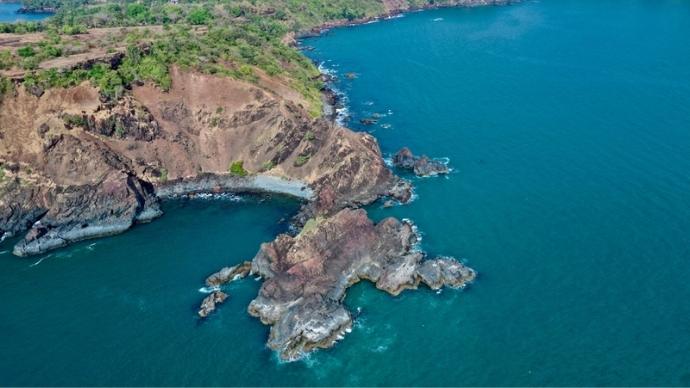
One of Goa’s five key forts, Cabo de Rama is said to be built by the Sonda dynasty, possibly in 1670s. In 1763, the Portuguese gained control of the fort after the then Raja of Sonda surrendered his territory to them in return for protection against Hyder Ali of Mysore. Though time and other factors have weathered this proud structure today, it was once well-equipped with 21 guns, cannons, towers, and several military barracks.

Once it was wrested away from the Hindu clan by the Portuguese invaders, the fort was put to use as a main bastion of their coastline defenses. A shining white church dedicated to St Anthony was built too. But when the Portuguese left India, the site was abandoned, and later used as a government prison for sometime.
But there’s a tale that saved Cabo de Rama from being completely forgotten. It is believed to be a refuge of Rama, the Hindu god from the epic Ramayana, along with his wife Sita, during their 14-year exile from Ayodhya, the site of an ancient stronghold! Locals believed that the tip of the steep cliff, overlooking the cape sticking out into the sea, was home to Rama during the exile. Hence, the name, that translates to ‘Cape of Rama’.
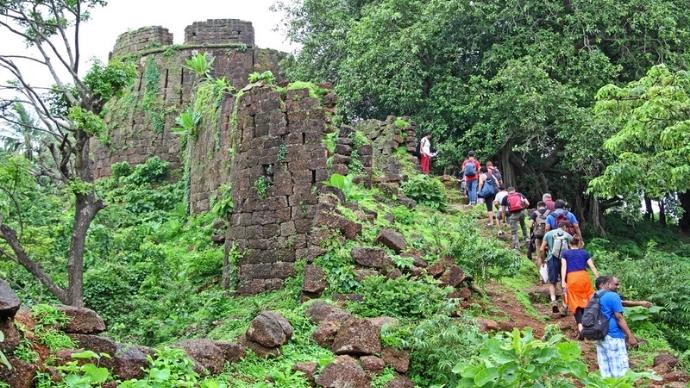
A popular spot among travellers and Hindu devotees, the fort is worth a visit to comprehend the old and steal a view of the sprawling Arabian Sea through the eagle’s eye. An architectural marvel, this fort showcases a beautiful amalgam of different cultures and traditions. Hindus, Portuguese, and British influences are clearly visible here in ruins.
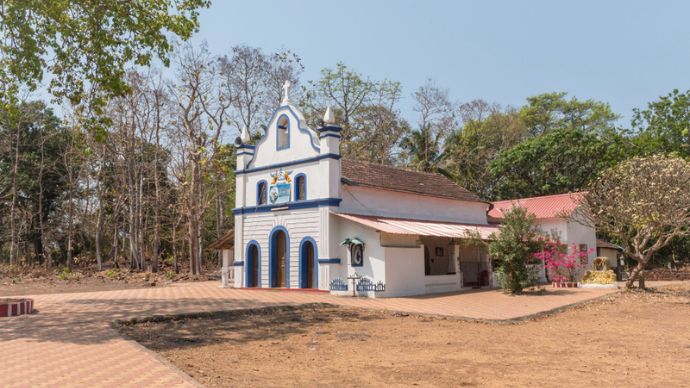
Inside, the fort features a massive defensive wall, a moat, gatehouse, a well, two springs, multiple bastions, ramparts, and a few rusting iron cannons, summoning up the fort’s colonial past. The Capela de Santo António or St Anthony Chapel is still functioning and hosts a feast every year. There is a pristine 500-meter-long beach just below the fort where you can take a stroll, admiring the grandeur of the fortress and reliving its glorious past.
Read more.
An inside tour of Raj Bhavan Goa in Dona Paula
This offbeat ocean trek in Goa must top your bucket list this summer!