
True seekers of Parsi food will find what they are looking for, whether they head for the coastal towns of Gujarat or point their noses in the direction of the mist-blanketed hills.
It’s one of those paradoxes of life. The Parsis themselves are everywhere. In the business section of the newspapers; at western classical music concerts; in history textbooks that touch upon India’s freedom struggle; in the comic relief interludes of Bollywood movies; atop pedestals across Mumbai.

Why, then, is Parsi food so invisible? Why is it that almost no one has heard of Aleti Paleti in Delhi, or Atheli Murgi in Bengaluru? That barring a few small and atmospheric eateries like Ideal Corner at Fort and Britannia in Ballard Estate, it’s difficult to find the real deal even in Mumbai? And that while you know that Sasuji’s Dhansaak and Freny-Ni-Makhan-Ma-Randheli-Aakhi-Marghi are probably cooking in a corner of quiet Cusrow Baug, the cuisine remains elusive?
“People talk about how there are very few Parsis. They talk about Dhansaak and at most Patra ni Machhi. End of conversation,” says Niloufer Mavalvala, the well-known cookbook writer who ran a wildly popular Parsi cooking Zoom club through the lockdown from her home in Canada for 1,000 participants from around the world. Adds Anahita Dhondy, chef and former brain behind the popular SodaBottleOpenerWala chain of restaurants which feature dishes like Lagan-nu-Custard and Khari biscuit on the menu, “Eight years ago, you would not find a single Parsi dish in a five-star buffet. But today you do find Dhansaak or Berry Pulao next to the channa or the curry. When we opened SodaBottleOpernerwala in 2013 in the heart of Gurgaon, half my job was to talk to customers, explain the names of dishes, explain what something like Papeta par Eedu was, really to create awareness.”

As more foodies get acquainted with this unique cuisine that uses ingredients like sugar, gur, zardalu and sugarcane vinegar to achieve a blend of sweet, sour and spicy flavours, they need to be admitted into a critical secret. That when it comes to the crispest fried Boi Machhi or the tangiest, reddest Prawn Patio to eat alongside your steamed rice and daal, you should look beyond the malls and metropolises — and venture into old-fashioned hill-station hotels, unexpected highway restaurants and staid small-town dharamsalas.
In fact, the true seeker of Bombay Duck Patio and Milk Puff can do no better than to pack an overnight bag, fill up the petrol tank and drive to Udvada, the atmospheric coastal town in Gujarat which houses the holiest Atash Behram in the Parsi community. The gastronomic adventure begins an hour away from Udvada at the unassuming Hotel Ahura, where carload after carload of hungry pilgrims stop for Kheema Pav and Salli par Eedu (eggs cooked over potato sticks).
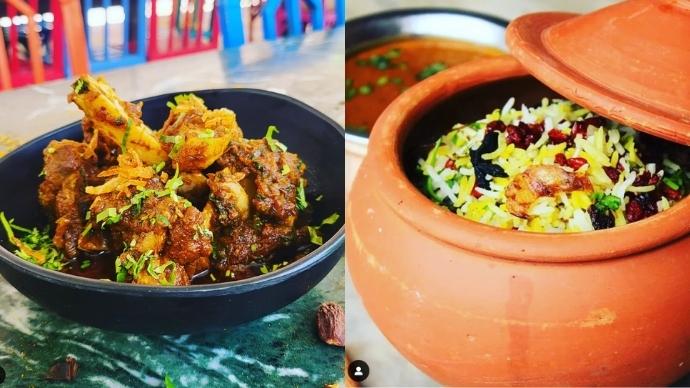
Don’t overdo it. Once in Udvada, there’s a daunting amount of food to consume. Crumbly bhakras sold at street corners. Parsi Fish Curry at the Globe Hotel. Parsi Roast Chicken and spicy Prawn Patio at Ashishwang Hotel. The famed Dhansaak and Raspberry Jelly at Café Farohar. Mango ice cream sold out of autorickshaws. Foamy Milk Puff for breakfast the next morning — possibly accompanied with a fistful of Digene.
“Parsis visit the Iranshah Atash Behram, then they come to Café Farohar. That is the ritual,” says Shehzad Marolia who, with his mother, runs the popular Udvada café that serves numerous lesser-known specialities like Bhaji Dana Gos and the dry Bhatia Gos that used to be carried into the jungle by hunters. “We have lots of non-Parsi clients too. People who drive down from Mumbai or Ahmedabad just for lunch or dinner. Over weekends the wait time is 45 minutes at the café.”
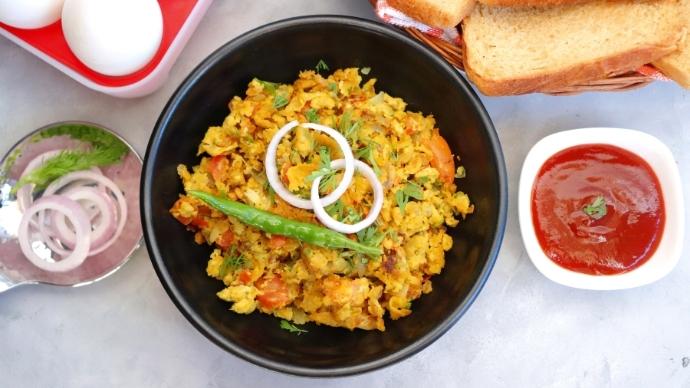
Once you’ve chomped your way through Udvada, don’t head straight back home. Spend a night, instead, at Oliaji’s Duke Hotel. Not for the black sand beaches of Devka, or the determined-to-get-drunk crowds in Daman, but for the unmatched breakfast. Legend has it that Behram Contractor — foodie, editor and Mumbai’s favourite columnist — used to catch a late train to Devka and spend the night at Oliaji’s hotel, just so that he could wake up to Aleti Paleti (stir-fried chicken liver and gizzards), Kheema, Brain Cutlets, Fried Boi, spicy egg Akuri and sweet Ravo.
If sultry, palm-fringed coastal towns are not your thing, you could always point your car in the direction of mist-blanketed hills and nippy mornings. There’s Dina Hotel in Mahabaleshwar, with its vast and airy dining room, glorious valley views and famed dishes — including Egg Chutney Pattice, Fish Khichidi Saas, Berry Pulao and Lagan-nu-Custard. A short drive away in Panchgani sits sprawling Il Palazzo with its elaborate meals served in the spacious verandahs outside the rooms. And Lords Central in Matheran, with its lovely gardens and unmatched desserts.
These quaint, old-fashioned hotels allow you to lurch from breakfast to planter chair, lunch to siesta, tea to a gentle amble in the garden and to your evening tipple. Then from dinner to bed. Just so that you can wake up once more to Parsi Poro (omelette) and a sense that all is well with the world.
Read more.