
A lot can go wrong in the great outdoors, but there’s no dire situation you can’t handle when you know these survival skills.
Be it an experienced thrill-seeker or a beginner with an adventurous spirit, nobody is immune to life-threatening situations in the wilderness. Exploring the great outdoors also means exposing oneself to unexpected lingering dangers, right from getting stranded in the middle of a ruthless terrain, to braving through extreme climate conditions, and fighting off deadly predators! Tread carefully — master these skills to survive the wilderness.
Picking the right clothes
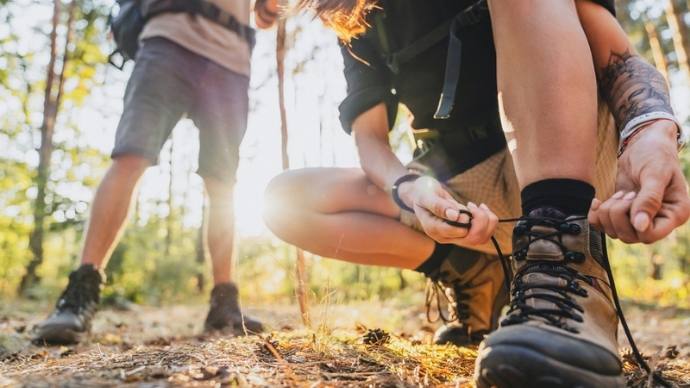
Believe me when I say, appropriate clothing makes the most difference when it comes to braving the wilderness. The right layers, resilient fibers that can manage both moisture and body heat, and of course, comfortable yet sturdy shoes are the basic rules. Avoid cotton and synthetic fibers, and pick wool that will get you through all weathers, be it extreme cold, heavy rains, or even scorching heat. Additionally, keep a versatile, well-insulated jacket handy.
Building a fire

Well, this is a no brainer. Knowing how to build a campfire is an absolute essential skill you must know for wilderness survival. Fire will not only keep you warm, but will also help you cook and keep wild animals away when you are deep into a forest. Look for dried twigs, pine needles, branches, and fuel logs. Always keep a lighter or waterproof matches handy. And always put out the fire with some water or sand before leaving.
Working with a map or compass

GPS dependency is totally acceptable in normal life, but you need to know how to work around a compass and read a topographical map when you step into the great outdoors. Do not rely on technology (your cellphone might die or the signals might be lost!). Learn how to use them for navigation before you set off for your trip. In case there’s no map or compass, you can even use your surroundings for orientation, for instance, figuring out the direction by looking at the Sun or following the North Star.
Making a shelter
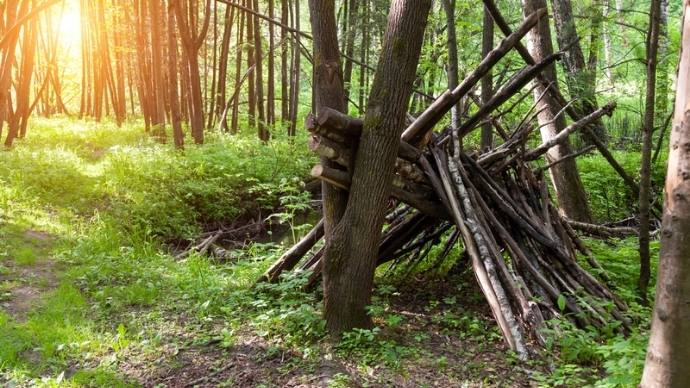
Now, this might sound like a tedious task but learning to make your own shelter can get you through trickiest of weather and the scariest of situations. A basic shelter can be made with some wood, tarp, and rope. Start with layering the branches and follow it by covering them with leaves or straws on top. If case it is snowing, find a cave or dig a giant hole in the thick layers of snow and simply scooch in!
Handling unexpected wildlife encounters
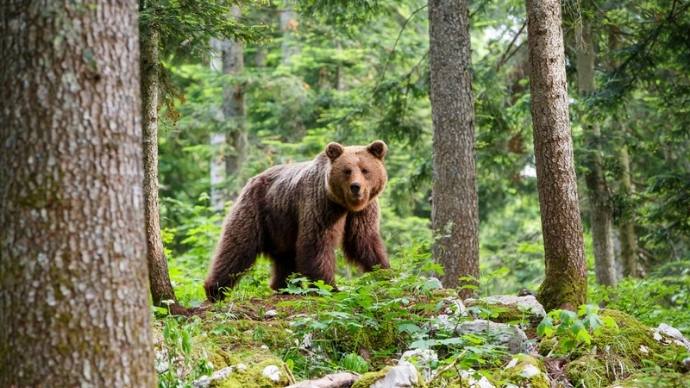
It isn’t uncommon for wild animals to attack people in the wilderness. But this is where your common sense, wit, and calmness can come to play to get you out alive. Research beforehand which animals you might encounter on the trail, and learn what to do in those particular scenarios.
Keep a clean camp — avoid littering and leaving anything that smells out in the open. If you still face an encounter, the best way, in most cases, to defend yourself is to keep your distance. Encounters from different animals, however, need different approaches. For instance, in case of a grizzly bear, play as dead as possible, but make noises and appear bigger in size in front of a brown bear, cougar, or wolf!
Knowing first aid and CPR
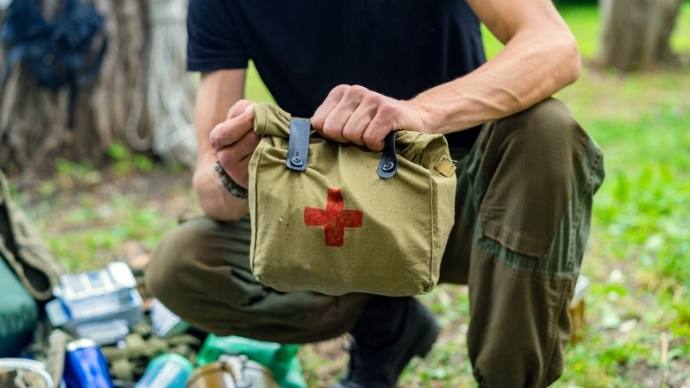
Being aware of potential health emergencies and how to tackle them is crucial. From serious allergies to animal attack and even a cardiac episode, situations of medical emergencies must be handled with immediate first-aid care and CPR. It goes without saying then that you must always bring along a first-aid kit with enough supplies. Additionally, you must also carry a basic survival kit that includes a small knife, rope, compass or map, signal whistle, needled and thread, scarf, and waterproof matchsticks.
Finding clean water and food in nature
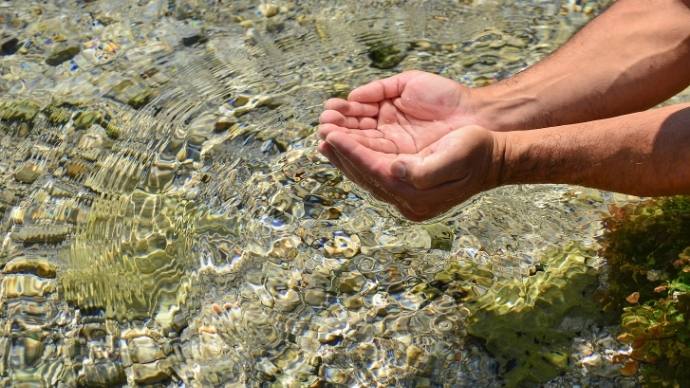
You could get in serious trouble if you don’t have a proper hydration plan in place. How to find clean water is one of the most valuable survival skills you must be aware of, since carrying enough drinking water isn’t always an option. Find a natural running river or stream by listening to your surroundings, following the map, or tracking animals.
Next, filter the collected water by using a portable purifier or boiling it to kill any potential bacteria or contamination. It is equally important to learn how to find naturally available foods in case you run out of your supplies. Look for edible fruits, nuts, and berries, and make sure you are able to identify them clearly before having them to avoid getting poisoned.
Read more.
Finding phoenix: Here’s where Ranveer Singh faced the wild with Bear Grylls!
Survival tale: How the tiger in India’s wild has earned its stripes