
Poee — the leavened bread from Goa — is a unique and unmatched companion to the cuisine of this coastal state.
It starts with a honk.
It’s a routine that has been part of the lives of Goans for at least a century (if not more).
It has to do with one man and his yellow or blue plastic-covered basket.
Early morning and evening, he will cycle through the village, honking his arrival and rousing residents from their nightly slumber, or afternoon siesta. They hurriedly get dressed, grab a bag and money, and go out to greet this poder. His basket has different kinds of bread, and most families will have a standard order.
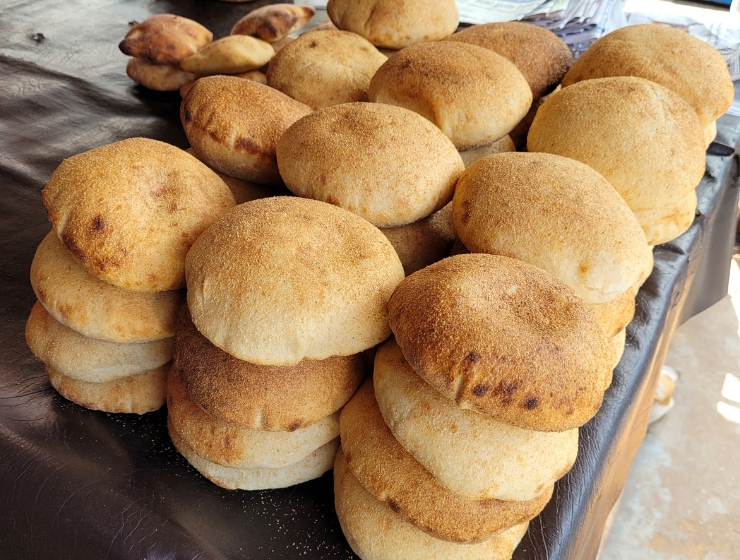
His best offering is the poee — a leavened whole-wheat bread with a dusting of bran on the top and a hollow cavity in the centre, capable of soaking up gravies, and providing support to meaty sandwiches. It’s eaten for breakfast and evening tea and even daily meals. This bread is one of the defining culinary characteristics of Goa and Goan life.
Give us this day our daily poee

Goan poee is unlike anything else found in India. It owes its origins to the Portuguese (they ruled Goa for 451 years leaving a lasting impact on its cuisine) — who introduced the art of baking bread. Back in the 1500s, Jesuit priests taught bread-making skills to people in Majorda who used toddy as a local substitute for yeast.
Soon, other communities picked up the skills and the Goan pao became popular. In Cozinha de Goa, Fatima da Silva Gracias writes: One lasting change the Portuguese brought to Goa, other areas of India, Malaysia and Macau, was the oven-baked wheat bread. Bread reached Goa soon after the Portuguese takeover… It was initially made by bakers of the town on contract. The Jesuits, given the charge of Salcete sub-district in the 1550s, passed on to the converts there two new professions — wine selling and breadmaking. The Jesuits taught breadmaking skills to members of the Chado caste of Majorda, a coastal area rife with good palm groves, helped produce sur (toddy), a substitute for yeast. The Chardos of Varca, Nuvem, Colva and Utorda — all villages of Salcete — also picked up this profession.

Bakers from these villages moved to other parts of Goa taking bread with them. The bakers, and the delivery people came to be known as poders (from the Portuguese padeiro).
Poder and poee: The Goan way of life
The poder and poee was integral to our meals while growing up. Back then, we ate our bread fresh. If we missed his daily rounds, us children (in turns) would make the morning/evening trek to the poder’s house and place of work. If the bread wasn’t ready, we would wait, which was always a delightful task as it gave us a chance to watch how it was made.
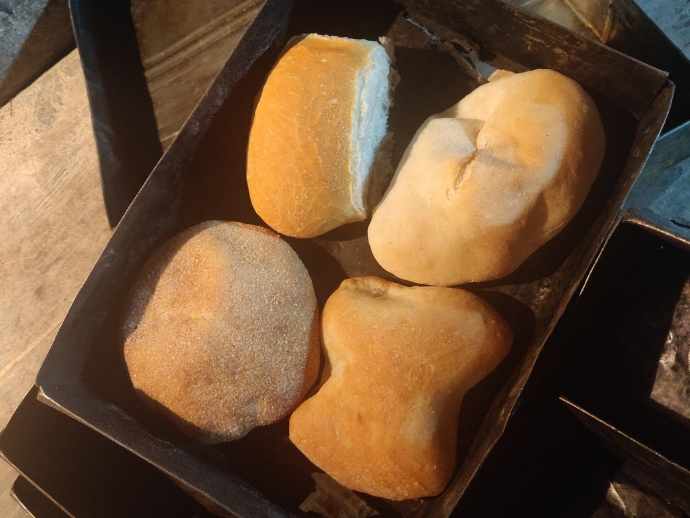
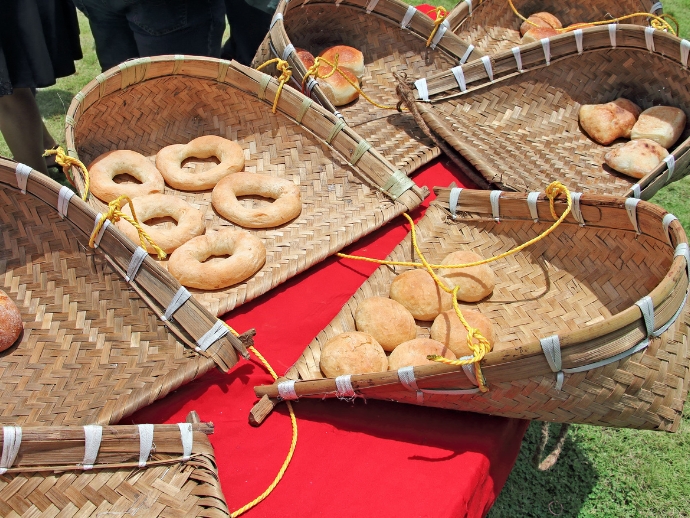
We stood at the doors and watched as bare-backed men would knead mountains of stretchy dough, sort them, shape them, and slide them into a hot wood-fired mud oven called forn. In minutes, the risen poee would emerge, enveloping the place with the smell of baked bread and then lovingly placed on trays blackened with age. We would pick up our quota of poee, sometimes with kakonn (bangle-shaped hard bread) to dip in tea, and unndo for those seeking sandwiches. This poee would be eaten at breakfast, slathered with butter, jam, cheese, or stuffed with curries, sausages, roast tongue, or beef.
A poee sandwich was our easy and filling school snack. In the evening, the bread would be dipped in tea and eaten plain or with some butter. At night, it provided the carbohydrate portion of the meal.

There are broadly two kinds of poee: Godd (sweet) poee, and kunyache poee (with bran). The poee is eaten at home and on the street, where it provides worthy companion to the crumb fried beef cutlet (in the cutlet pao), or the omelette drowned under chicken ross (in the ross omelette). Today, newer restaurants are using the poee as a substitute for other bread, in sandwiches, as pizza bases, or croutons.
Poee: A trip down Goa’s nostalgia lane
Changing times have taken its toll on the poee. Personally, I rarely eat it, having made the decision to remove maida from my diet. There are few bakers in Goa making poee the original way, with whole wheat and toddy. Toddy is rare to find these days, so it isn’t used in the bread. Commercialisation has led to dilution: Maida replaces whole wheat, and commercial yeast is used to help the bread rise. Another factor contributing to change is hygiene: In the olden days, people would walk on the dough to ‘knead’ it and make it soft. These days, machines do that job.
Though it is often called the Indian pita bread — they share similar textures and shapes — the Goan poee is unique. It requires that perfect blend of flour, toddy, a brick oven, and the hand of someone whose family has perfected the recipes for decades, to create the bread. There’s still something magical about listening for the honk of the poder and rushing to pick up hot fresh poee from him for evening tea. It’s a true Goan treat.
Read more.
The breakfast club, in Goa
Of hoppers, pickles, and congee at Coastero in Goa
Regional Indian to be a key food trend in 2023: Chef Kunal Kapur