
In an interview with TravelDine, popular chef Kunal Kapur highlights how health and regional Indian cuisine are major players in today’s F&B industry.
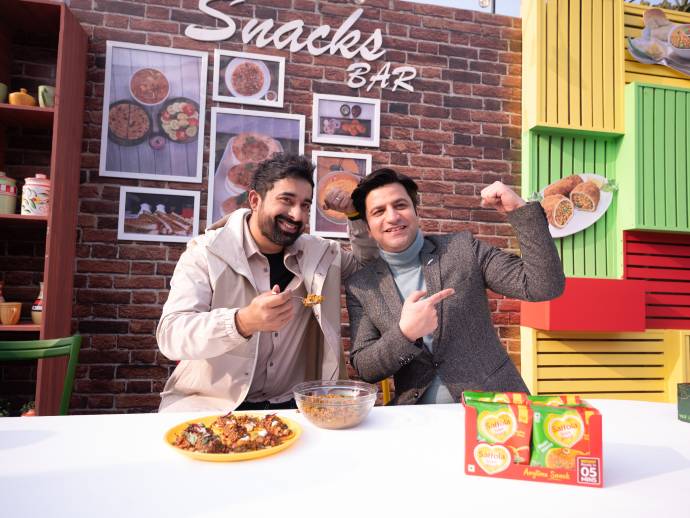
Chef Kunal Kapur is an instantly popular and recognisable face when you think of India’s food and beverage (F&B) industry. So, when such a frontline chef steps up to flag health and knowledge as two key themes in the food industry right now, it says much about how Indian food habits and practices are undergoing a steady evolution. In conversation with TravelDine, at Saffola’s first-ever Soya Bhurji Cook-Off, Chef Kapur highlights how he believes that regional favourites and snacks will play bigger roles this year, how we’ve matured in our knowledge of food, and what his one-week food trip to anywhere in India would contain. Edited excerpts.
What are the key food trends that you expect to see in India’s F&B industry this year?
Regional Indian food has come out in a big way on chefs’ menus — from high-end restaurants to big hotels — and this year, they will be recreating consumers’ regional favourites.
Healthy food is also going to take precedence over ‘regular’ foods. The last two years have given ample opportunities for chefs and the entire fast-moving consumer goods market to create food that meets certain dietary or health requirements, so the health-related market is going to boom in the near future.
During the pandemic, we saw an opportunity for the snacking market to expand. There are a lot of players in the market who are trying to capture this into a proper market segment, such as dinner, which was a proper market segment for most restaurants. Packaged food has been big in snacking, but cannot compete with full meals. This is why companies are trying to create that supper/snack time market, or ‘shaam ka nashta’, which will grow at a fast pace.
What were 2022’s biggest influences and takeaways in food?
With Indian food, people are curious to know if there are any healthy versions of the same dish. For instance, everyone’s favourite — butter chicken — can be recreated into a vegan dish, or even into a similar vegetarian dish with fewer calories. The knowledge about the food that we consume is growing in today’s market, and that was 2022’s biggest contribution to the industry.

Mock meats saw plenty of marketing activities in 2022. What do you feel about this segment, and its potential as a meat alternative?
Many people are conscious about their food today, and look for options in non-vegetarian food that should have similar taste, texture, look and feel. That’s where mock meats are playing greater roles.
Mock meats are undergoing a lot of hits and trials, but they have started offering a decent taste. It can be a bit challenging to get the taste right as we prefer our food to be chatpata, khatta, meetha and spicy at the same time. We are trying to cross that barrier right now, and plenty of experiments are taking place at the moment.
As a veteran in the industry, what do you feel about social media and its role for budding chefs, home chefs, and food enthusiasts?
The world has moved from the big screen in our homes, to the tiny screen in our pockets. It’s fast, accessible, short, and can send mass messages very effectively. The evolution of the digital world in our pockets is inevitable, especially with foods, habits, health, and lifestyle playing bigger roles in our lives. The one philosophy that has defined social media in food so far is “jo dikhta hai, woh bikta hai” — the flashiest to see is the highest to sell. Here, you see a certain person do something, and see a perceived benefit that you would want instantly.
If you were to go on a one-week food road trip across India, which places and dishes would you choose to stop at?
My heart belongs to Amritsar, where we still get very honest food, at a very humble price. My one-week food road trip would be to only Amritsar, where I’d have paranthas, dal, halva, kulcha and tikka, and then the choicest winter delicacies of chole, sarson da saag, palak chole and chicken chole — the absolute classics of Punjab.
Read more.