
The eight cheetahs from Namibia have reached India safely. Everything you need to know about their relocation.
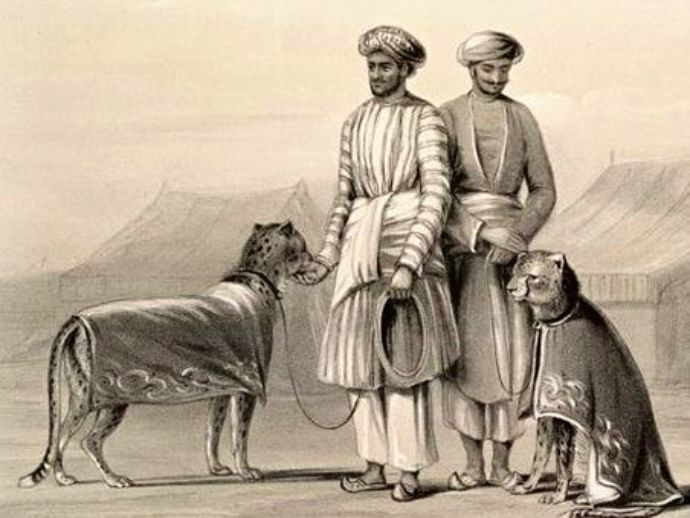
In an initiative that was first proposed in 2009 by the Wildlife Trust of India, the Government of India has decided to bring in African cheetahs from Namibia to replace the Indian variant of the species that went extinct in 1952 due to over hunting and habitat loss.
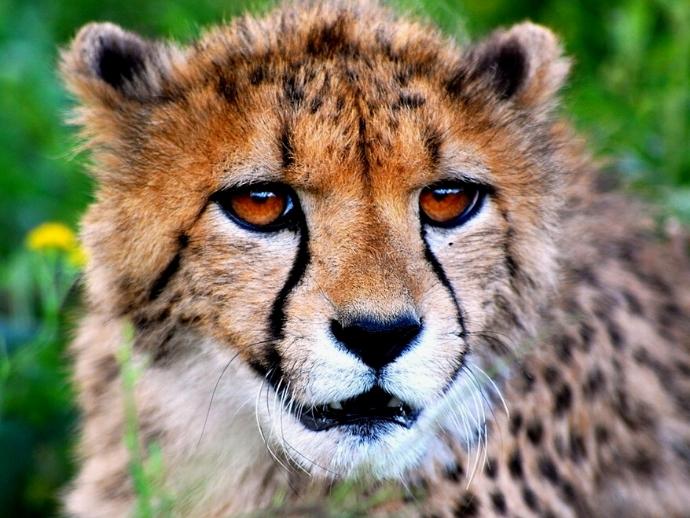
The Namibian cheetahs — five females and three males, aged between two and five-and-a-half years — were flown from Windhoek to Gwalior on a chartered Boeing 747 with a big cat painted on its nose. They may be VIPs, but they had to travel for 11 hours on an empty stomach. Finally on Indian soil, the guests are being fed a healthy diet of buffalo meat to make up for the fasting and discomfort.
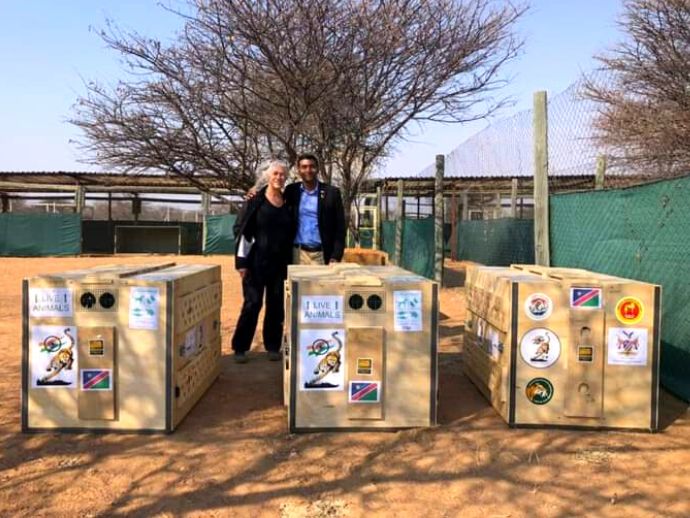
What they can expect
The 748-sq km Kuno Palpur National Park, a wildlife sanctuary in Madhya Pradesh, which was earlier being prepared for the relocation of Asiatic Lions from Gir National Park in Gujarat, was chosen as the best habitat for these beautiful beasts, the fastest land animal in the world, thanks to its abundant prey and vast grasslands.
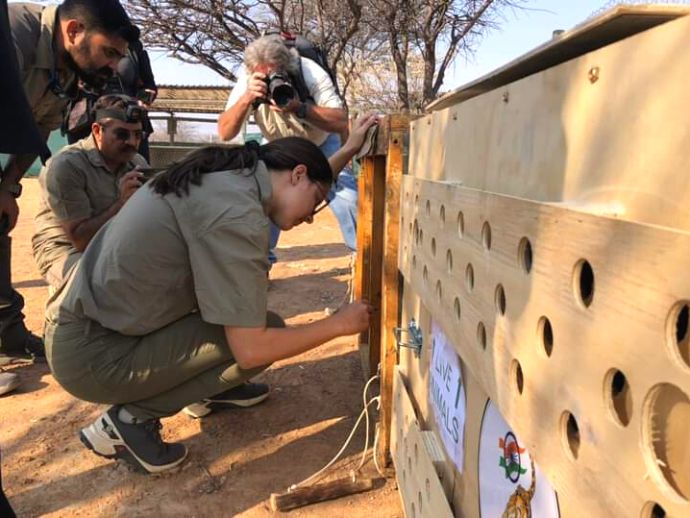
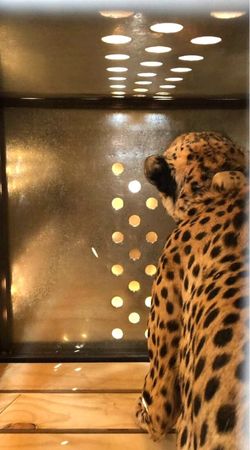
Apart from radio collars and surveillance cameras to monitor the movements of each cheetah, other infrastructure for their protection from predators such as leopards, hyenas, and jackals, includes the creation of culverts, the addition of fencing, and clearing of invasive plant species has been implemented.
The ‘Action Plan for Introduction of Cheetah in India’ is an ambitious project that will see 50 cheetahs introduced in various National Parks over the next five years. Officials have divulged that the next round of introductions will probably involve 12 cheetahs from South African reserves.
Why African cheetahs?
While the locally extinct cheetah-subspecies of India can still be found in Iran, it is categorised as critically endangered there, so India had to look further afield. Experts noted that cheetahs from Southern Africa have the maximum observed genetic diversity among extant cheetah lineages, an important attribute for a founding population stock.
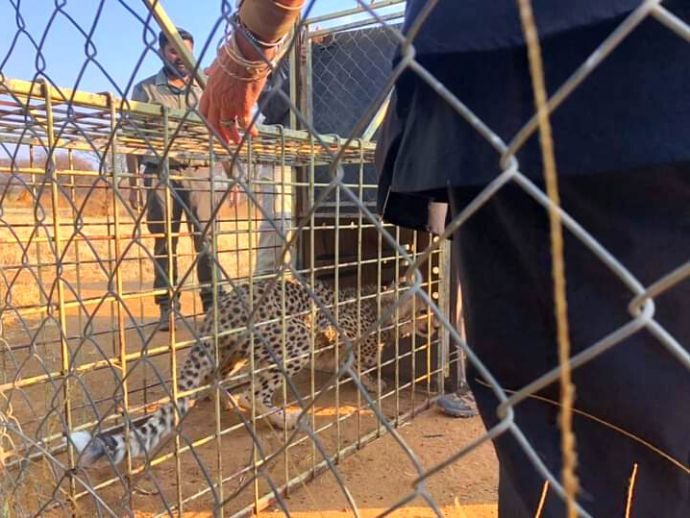
And, since the Asiatic cheetah diverged from the cheetah population in Africa between 32,000 and 67,000 years ago, Southern African cheetahs are ancestral to all the other cheetah lineages, including those found in Iran, so they have been considered ideal for India’s reintroduction programme.
The process of achieving purr-fection
According to the Press Information Bureau, when the discussions to bring the cheetah back to India were initiated in 2009 by the Wildlife Trust of India, experts from across the world, officials of the Government of India including Ministry of Environment, Forests and Climate Change and representatives of the state governments met and decided to conduct site surveys to explore the reintroduction potential. The former cheetah range states — Gujarat, Rajasthan, Chhattisgarh, and Madhya Pradesh — were prioritised.
Amongst the 10 surveyed sites of the central Indian states, Kuno National Park in Madhya Pradesh has been rated the highest, thanks to its suitable habitat (part of Sheopur-Shivpuri deciduous open forest landscape), adequate prey base area, and the fact that it is almost completely devoid of human settlements, perhaps the only wildlife site in the country where there has been a complete relocation of villages from inside the park.
Kuno also offers the prospect of housing four big cats of India — tiger, lion, leopard, and cheetah — and allowing them to coexist as they did in the past. Kuno’s rich biodiversity is even reflected in the 30,000-year-old cave paintings in nearby Pahargarh depicting multiple wild animals.
The other sites recommended for holding and conservation breeding of cheetah in India, in controlled wild conditions are Nauradehi Wildlife Sanctuary and the Gandhi Sagar Wildlife Sanctuary-Bhainsrorgarh Wildlife Sanctuary complex in Madhya Pradesh, and the Shahgarh bulge and Mukundara Tiger Reserve in Rajasthan.
While environmentalists are wary about this reintroduction, citing the low reproductive rate among cheetahs and their mild temperament putting them at risk of other, more aggressive, predators, they do believe that having the big cats in this forest will help the rest of the eco system also get a boost.
Another upside to reintroducing the cheetahs into Indian forests is, that among the large carnivores, their conflict with human interests is said to be lowest, as they are not a threat to us and are not in the habit of attacking large livestock either.
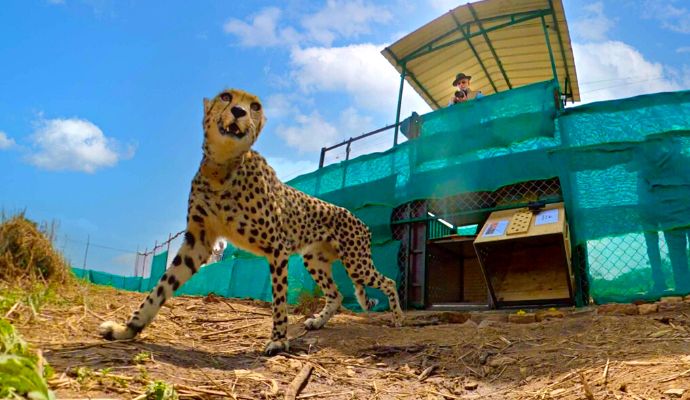
The months ahead will see whether the freshly christened Aasha, as well as Siyaya, Tbilisi, Sasha, Savannah and Freddie, Elton, and Oban will slowly exit the quarantine and acclimatisation enclosures and venture into the jungle, eventually carving out territory for themselves, learning how to survive in an Indian forest, and settling into their new home.
Know Kuno
Getting there: Flight to Gwalior, 165 kms drive to the park | Stay: Book one of four forest rest houses or the Madhya Pradesh Tourism rest house on the periphery of the park | Safaris: Book online here | Other interesting sights: The ancient forts of Palpur, Amet, and Maitoni. And the ingeniously built Kair-Khoh & Gravity Pipeline.
Read more.
Kenya: An adventure into the limitless wild
Remembering Collarwali: The tigress who put Pench Tiger Reserve on the map
Survival tale: How the tiger in India’s wild has earned its stripes