
The Parsi caterer is a legendary figure in the Parsi community and Parsi wedding feasts — with their authentic and unwavering fare — are worth killing for.
What do you need to do to get yourself a slap-up Parsi meal? To sit down to one of those should-have-skipped-lunch-and-worn-a-looser-pant repasts with their brisk courses and irresistible trimmings and trappings?
Don’t bother googling for restaurants.
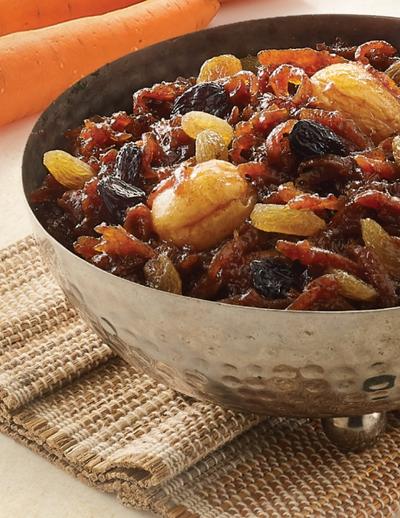
Instead, get acquainted with a Parsi family. Then hope that one of its members will get married or celebrate a Navjote. Then hope even harder that you make their list of top 300/500/700 people — and that the postman will arrive at your door with a glossy, cream-and-gold invitation card, with its promise of Dancing Queen, Roger’s Raspberry, fairytale lights, pink roses. And the traditional dinner that starts with carrot-and-raisin Lagan-nu-Achaar, works its way through numerous courses and ends with a slice of Amul ice cream.
For the Parsi wedding feast is that rare thing — a banquet that has resolutely disregarded the siren calls of Schezwan sauce and chocolate fountains; of five-star buffets and around-the-world-in-eight-counters extravaganzas. Instead, it has held on to tradition and to a formula that has been around for decades if not centuries — making it extremely likely that the menu at the Navjote of little Roxanne is a replica of the menu at the Navjote of her Bapaiji a full 70 years ago.
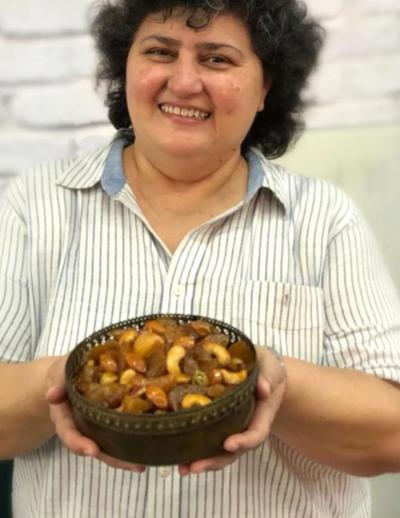
“The lagan nu bhonu has followed the same format since age-old times,” says Tanaz Godiwalla, undisputed queen of the Parsi catering business. “Parsis take their food very seriously. If they go to a baug, they expect to eat Pulao Daal and will not be happy if they get risotto instead.”
Concurs Kaizad Patel, who inherited a catering business started by his grandmother more than 80 years ago and is known for the elegant touches he imparts to conventional dishes, “While there are those who want variety, most are purists. They want their Patra-ni-Machhi or their Saas-ni-Machhi served on the banana leaf, with the courses coming one after another, modelled on the British style.”
Even if the style of serving has been borrowed from the British, the vibe certainly has not. The average wedding or Navjote will start out sedately enough, with polite chatter and chiffons; air kisses and Celine Dion. But the mood changes abruptly when the summons to dinner — Jumva chalo ji — prompts a survival-of-the-hungriest kerfuffle. Hitherto dignified matrons and grandpas drop their phetas and dignity as they sprint to the dining area and unembarrassedly go about reserving 17 seats with the help of a single silver-beaded handbag.
Within minutes, the dinner area is full. The famished losers retreat morosely to wait for the second sitting. The lucky winners settle down with a triumphant air, wipe their banana leaves with a clean napkin, choose between Raspberry, Lemonade and Ginger — and then wait for the action to begin. Which it does moments later, when a scurry of waiters bearing ample trays and bowls dollop, toss, ladle their offerings onto the banana leaves.
A red, sweet-spicy pickle or Lagan-nu-Achaar made from carrots and dry fruit. Thin rotlis and crunchy white sago wafers called saria. Then the fish — either Patra-ni-Machhi in green chutney that is wrapped in banana leaves and steamed — or Saas-ni-Machhi with its subtle sweet-spicy white sauce. (Though there are always the nitpickers who halt harassed waiters and demand a slice or three of fried fish. “Tareli machhi. And make sure it’s a tail piece.”)
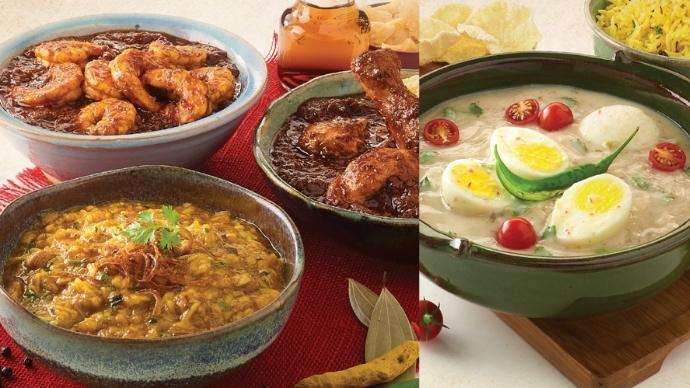
Next comes the chicken — either lacy fried Farchas or vivid red Salli Margi topped with crunchy potato sticks. Then the rich Mutton Pulao and Daar. All this interspersed with the optional items — the dense, sweet Lagan-nu-Custard; the satiny soft Topli Paneer swimming in its brine; a dish of vegetables blanketed by egg; and the ice cream or kulfi served at the very end.
The dinner follows an intricate choreography and while the cooks and helpers — most of whom hail from a UP village called Bahraich — know the routine, the proceedings are closely monitored from the sidelines. Is the chicken a tad too sweet today? Are people asking for seconds of the pomfret? Do the guests look sufficiently stuffed, staggery and satisfied? Evening after evening for decades, the likes of Tanaz Godiwalla, Kaizad Patel and the much-mourned Katy Dalal have done more than merely source the freshest fish and barrels of Navsari vinegar; they have managed to serve up tradition and nostalgia along with unmatched mutton pulao.
Little wonder, then, that the Parsi Caterer is an important, recognisable, celebrated figure in the food-loving Parsi community. “I don’t know about being a celebrity. But I know I’ve won the hearts of many people through their stomachs,” laugh Godiwalla, who, during the five-month-long wedding season, caters for about 600 functions. Adds Patel, who splits his time between the US and Mumbai and limits himself to 120 functions in a year, “People get married and have a Navjote for their child only once. I feel I must make it special.”
It is this sentiment, as much as the delicacies being stirred on a blazing wood fire, that make the Parsi wedding a must-visit corner of non-veg heaven.
Read more.
Who moved my dhansak?: The tasty tale of Parsi food
The Parsi Kitchen is a delicious window into Chef Anahita Dhondy’s childhood and home