
Another year passes by, and it is almost fall — the most favorite time of the year along with an aptly-timed Negroni Week. To celebrate this ubiquitous classic, Nikhil Merchant highlights the finer nuances of this cocktail by colouring it up beyond its luscious red hue!
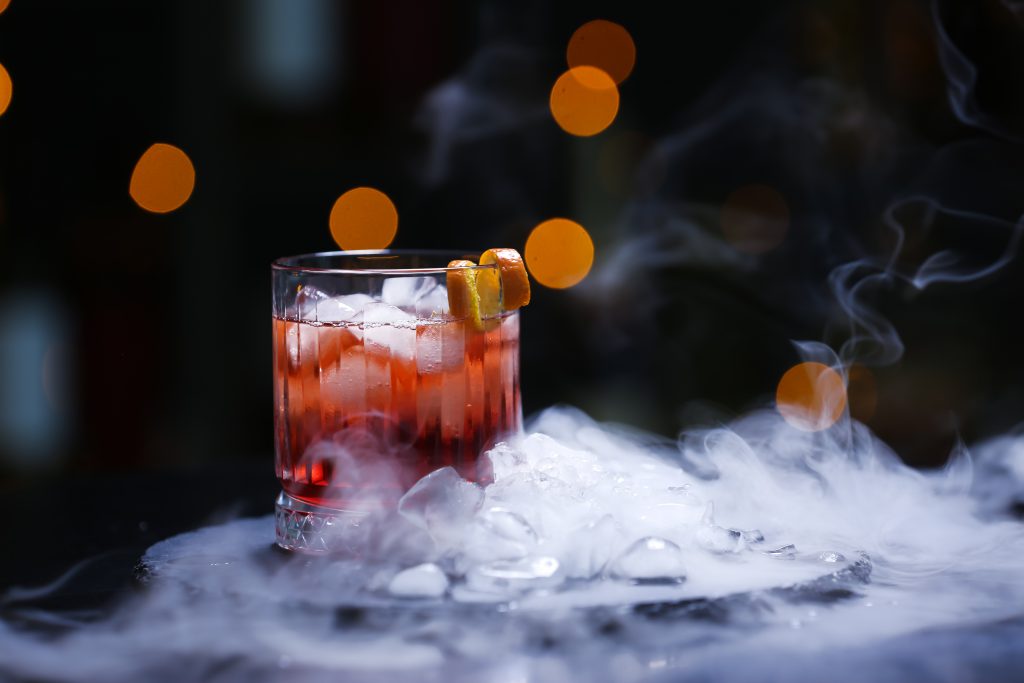
I have celebrated Negronis long before the ‘week’ started becoming a worldwide phenomenon. It stays, even today, as one of the first few classic cocktails that enchants my soul — as it does my palate. I admit, I am into spirit-forward drinks — especially because of their well-balanced profiles that allow me to taste everything together at once. I’m talking sharpness, acidity, sweetness and bitterness, all harmoniously brought together.
I have tasted innumerable versions and riffs across the globe, but have somehow always preferred the original. Equal measures of Gin, Vermouth and Amaro (Usually Campari – an Italian bitter-sweet liqueur, usually made from spices and herbs), stirred over cracked ice and strained onto a single, large cube of ice in an old-fashioned glass – it is incomplete without the zest of an orange peel expressed on it and dropped in. Cathartic on first sip, if made correctly the classic negroni can convince even the most basic alcohol consumer to upgrade their palate.
While the world of mixologists and bartenders enthusiastically recreate this cocktail in all its various avatars, over time this drink has graduated to being many shades away from the original. I recently landed up creating a lesser-known summer version of the drink called the White Negroni. The ingredients are made up of slightly clearer spirits while retaining its bitter-sweet and balanced profile. This gave me a foundation to color this drink even more without taking away from its beauty in honour of this year’s Negroni Week.
Check out these creations which will take you through a spectrum of rainbow hues and indulge you in a treat — as visual as it is delicious.
Red

The original, requires no change in its composition. But, it is important to use good quality gin, vermouth rosso, and the blood red Campari in equal measures (25ml each). While my personal preference is London Dry Gin, feel free to play around with local available gins to bring in subtle flavor changes.
Orange
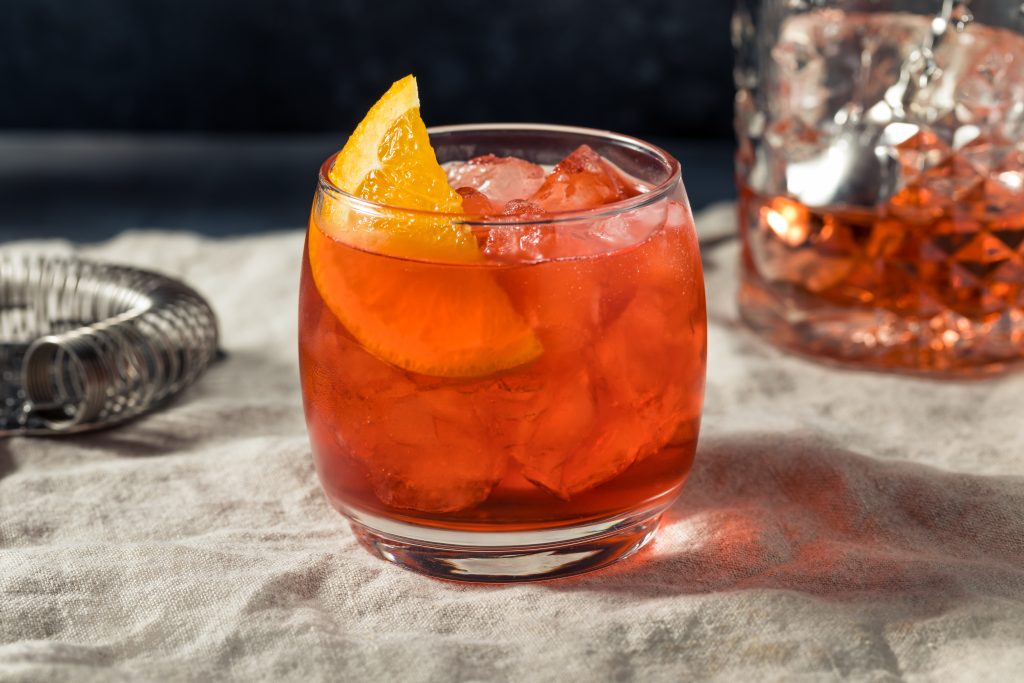
This is where we start tweaking ingredients a bit while retaining the measures of 25ml each. While the amaro (Campari or another bitter Italian spirit) and gin remain unchanged, we tweak the dark-hued vermouth Rosso to a blanc (sweet white) vermouth such as Dolin. The resulting mix will lighten the bold red to a subtler orange hue when stirred over ice.
Yellow
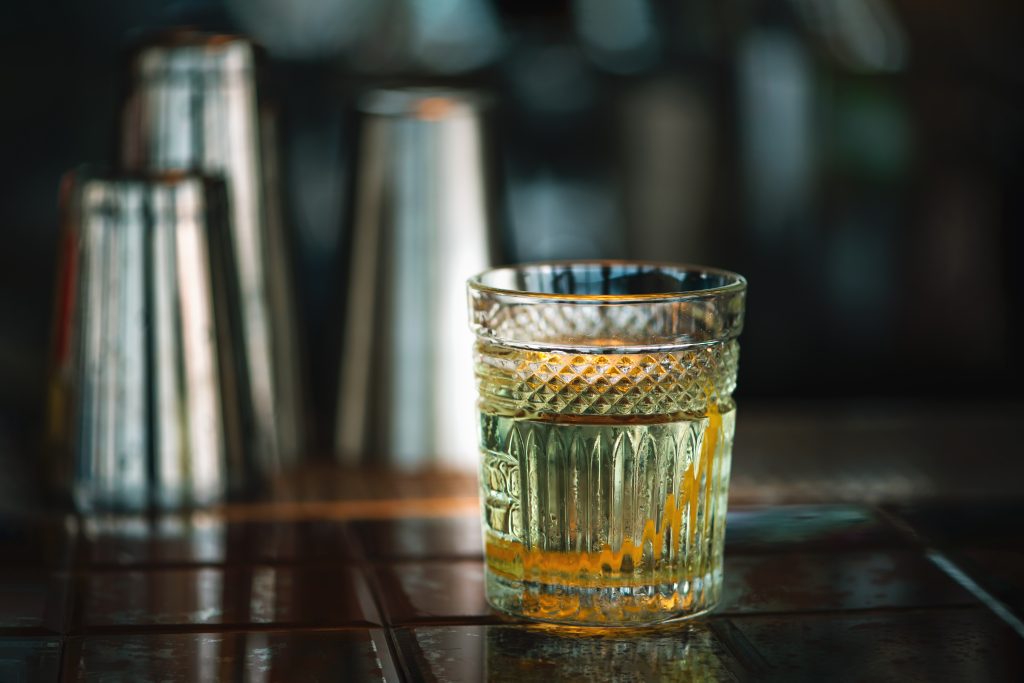
With a yellow creation, we can get experimental and fun. I like to infuse the gin with a few strands of saffron (2-3 strands per 100ml) for an hour or two. This gives the gin a vibrant, sunny shade. The drink can be made 1:1:1 of saffron infused gin, a blanc vermouth and a lighter, yellowish version of an Italian aperitif called Cocchi Americano.
Green
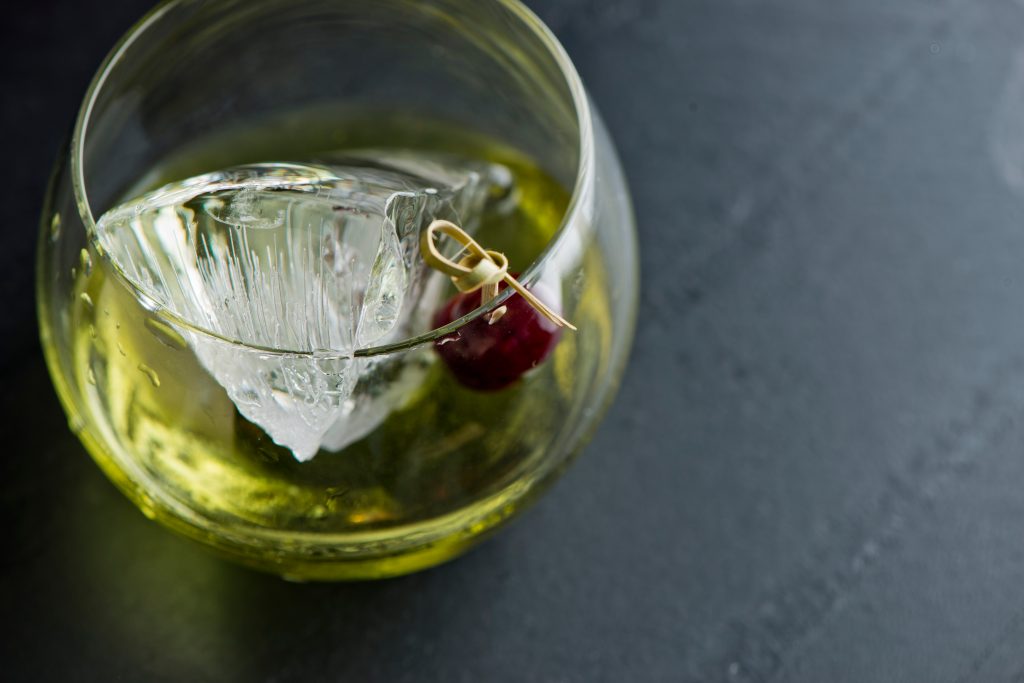
A ‘green’ Negroni? This was discovered after researching online on how best to use a bottle of Green Chartreuse which sat on my bar shelf for years. I came across this recipe in Diffords Guide (a popular cocktail guide) using 22.5ml each of Gin, Vermouth Blanc and Cocchi Americano and adding 10ml of Green Chartreuse (a French ‘elixir’ flavored with extracts of 132 botanicals and its distinctive color coming from the chlorophyll of plants). To further balance out the herbaceous flavor profile we add 15ml of fruity melon liqueur.
Blue
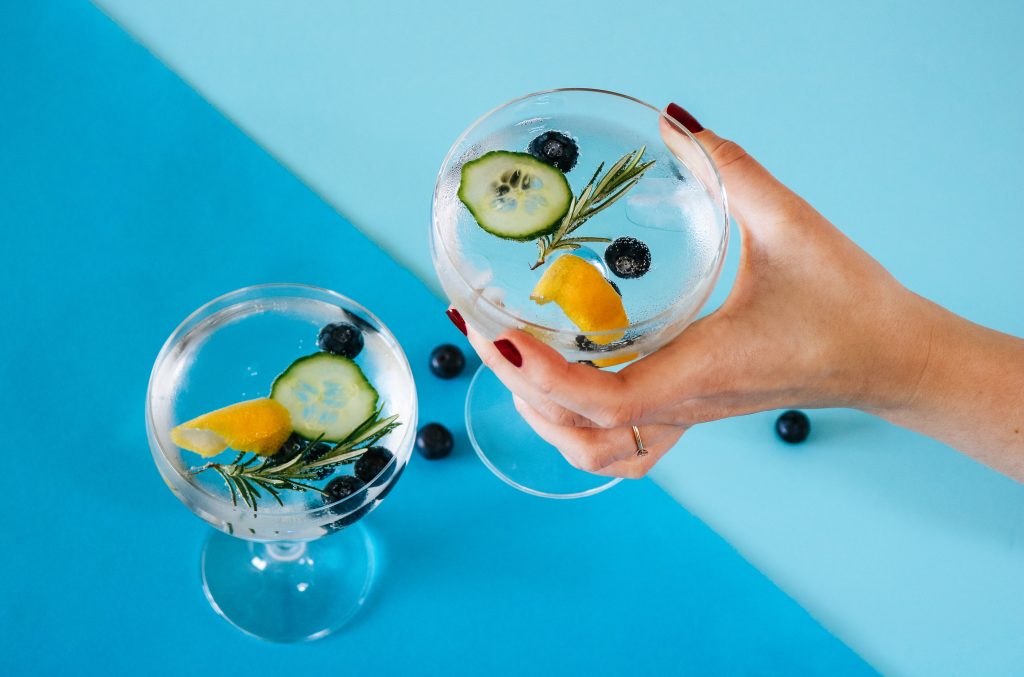
Blue pea flowers are all the rage. Make a syrup out of them to get a deep blue sweet elixir (steep a handful of fresh or dry flowers in prepared 1:1 sugar & water mixture). Use 10ml of this syrup with equal measures of London dry gin, Cocchi Americano and Dry Vermouth for a startlingly blue classic.
Indigo
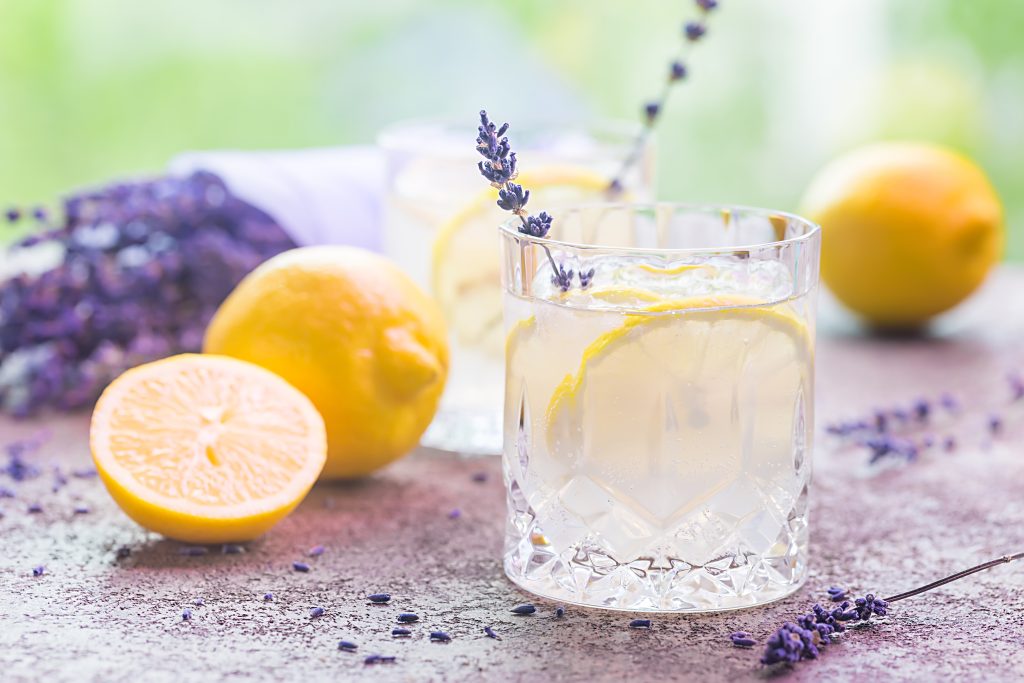
Grab hold of the widely popular Empress Gin (which is a naturally blue colored botanical gin easily available in liquor stores). Once stirred over ice with Cocchi Americano and Dolin Blanc Vermouth in equal measures with a few drops of lemon juice, the blue turns a pleasing and pretty indigo tinge.