
How Jazz found its way into India and made a connection with Indian musical traditions and audiences alike.
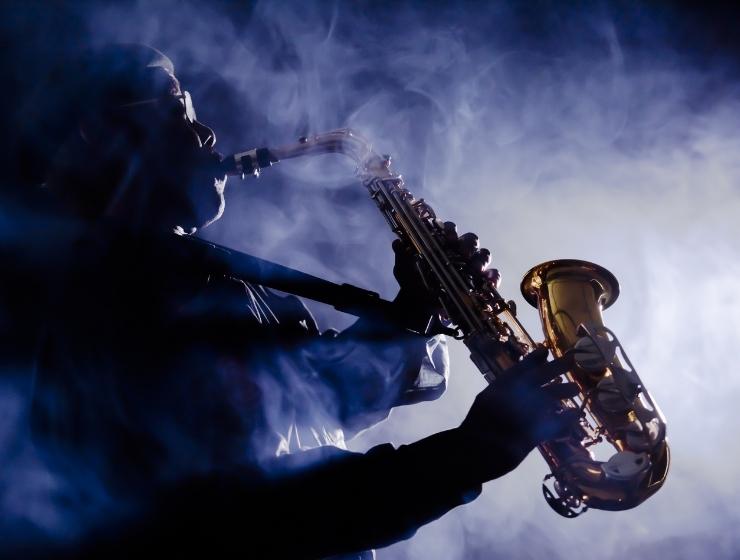
Image: Shutterstock/Geoff Goldswain.
Jazz vocalist Sonia Saigal remembers growing up in a household filled with Jazz. “Kolkata was buzzing with Jazz,” says Saigal, who is the daughter of ’70s Jazz stars Jenny and Don Saigal. Both vocalists, Jenny and Don were the toast of Park Street in Kolkata, performing at iconic restaurants such as Trincas, Mocambo, Blue Fox, and Moulin Rouge.
In the documentary titled Finding Carlton, Kolkata became home to American Jazz pianists such as Teddy Weatherford during the World War II era. The documentary, directed by Jazz enthusiast Susheel J Kurien, also looks at how the Grand Hotel in Kolkata became a landmark in the 1920s. The hotel is where Canadian Jazz trumpeter performed with his band and recorded what is claimed to be India’s first Jazz recording.
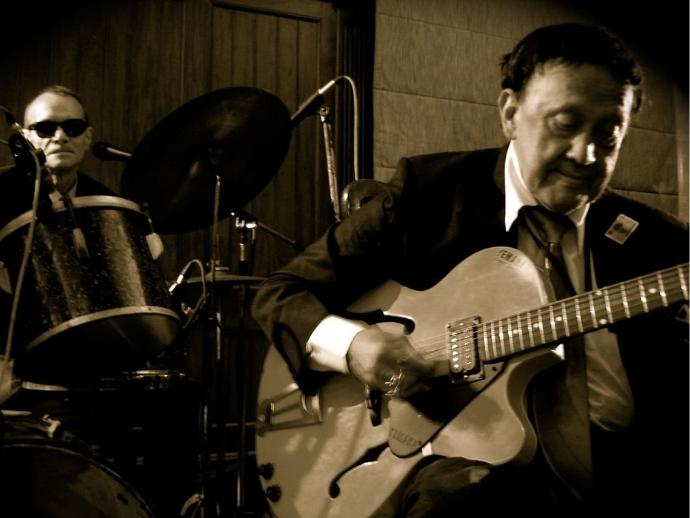
The scene drew other international Jazz musicians such as American Jazz trombonist and vocalist, Herb Fleming in the 1930s. Almost three decades later, in the 1960s, the city also became home to some of the finest Indian Jazzmen including Carlton Kitto, after whom Finding Carlton was named.
From the city of joy to the city that never sleeps
While other musicians such as the renowned Jazz pianist Louis Banks left for Mumbai when the state government of West Bengal clamped down on the live music industry with a prohibitive (77 per cent) entertainment tax, Kitto chose to stay behind. What Hotel Grand did for Jazz in Kolkata, the Taj Mahal hotel did for Mumbai. Mumbai already had a thriving Jazz scene since the 1930s, as documented in journalist and Jazz historian Naresh Fernandes’s book Taj Mahal Foxtrot, with American musicians such as violinist Leon Abbey playing regular gigs at the Taj Mahal hotel. Well before Banks moved to Mumbai in the late 1970s, Jazz had made its way into Hindi cinema with leading music directors including C Ramachandra, SD Burman, and OP Nayyar favouring the genre in their films.

The next generation of music directors that included the likes of Hindi film composer RD Burman were even more influenced by Big Band music when he scored for films such as Teesri Manzil (1966) and Hum Kisi Se Kum Nahi (1977) among others. The younger Burman spotted Banks at a gig and gave the pianist a place in his troupe as an arranger. There were other Jazz musicians such as saxophonist Manohari Singh who were an integral part of Burman’s orchestra.
The sound of Goa
Goa was famous during the ’60s and ’70s for its export of Jazz artists. During the ’70s, saxophonist Chris Perry and vocalist Lorna Cordeiro, both of whom had roots in Goa, were the stars of Venice, a night club in Mumbai. Goan saxophonist Braz Gonsalves and trumpeter Chic Chocolate were instrumental in raising the quality of Jazz at the Taj Mahal hotel. Gonsalves was also sought after for his command over the sax by composers such as Laxmikant-Pyarelal.
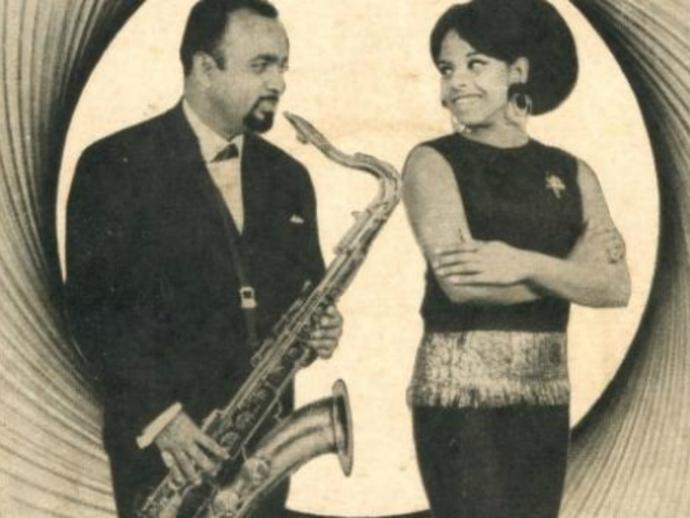
At 88, Gonsalves, now based in Goa, continues to perform the odd show, and enthrals audiences with his artistry. Violinist and pianist Sebastian D’Souza was a master arranger for Hindi film music directors such as Shankar-Jaikishan and Salil Chowdhury. D’Souza had a hit innings with Shankar-Jaikishan all through the 1950s and ’60s with films such as Chori and Dil Apna Aur Preet Parai.
In their natural element
On the other side of the pond, Hindustani classical musicians and Carnatic music artistes were making a big impression on Jazz musicians across the globe. In the late 1950s, American pianist Dave Brubeck and his quartet were jamming with Hindustani classical musicians such as sitar great Abdul Halim Jaffer Khan, creating a new world of music, well before the term Jazz fusion was coined for the genre.
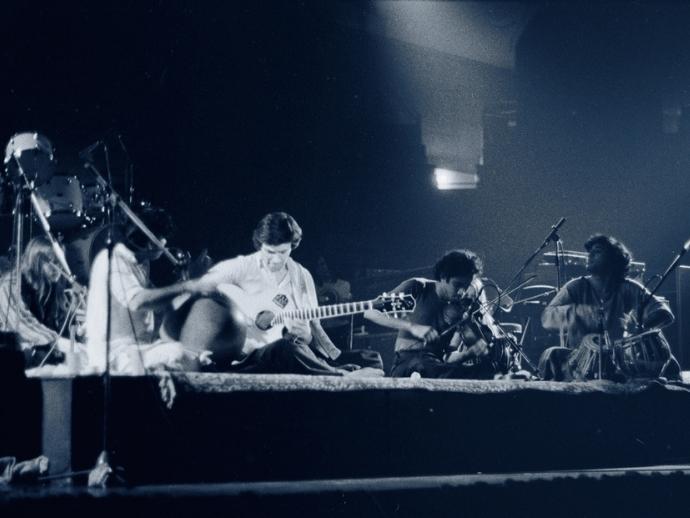
Carnatic music prodigy L Shankar, who also pursued a diploma in Western music at Cambridge, founded the group Shakti with guitarist John McLaughlin. Shakti, which also included the celebrated tabla maestro Zakir Hussain, toured the world giving Jazz enthusiasts and Indian classical and Carnatic music fans a sense of how music could bridge language, race, and traditions.
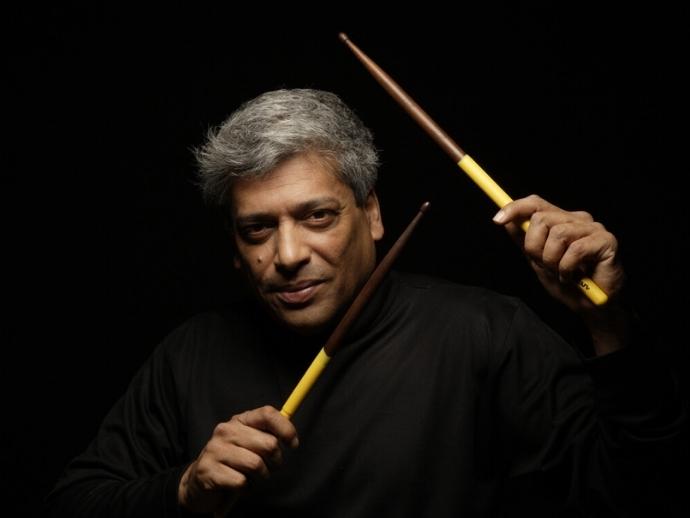
None of them cared about being scoffed at by purists. “I don’t believe in Pandit, Maharaj or Ustad because I’m not one. I’m neither classical or massical,” said influential percussionist and Jazz fusion artiste, Trilok Gurtu, in an interview with this writer. When Gurtu performed at the now defunct nightclub Fire ‘N’ Ice in Mumbai, ahead of the launch of his fusion album, Broken Rhythms (2005), the venue was packed. Most of the young members of the audience had never heard of Gurtu but were curious to see this silver-haired man seated at a weird, yet wondrous percussion kit on an elevated stage above the dance floor. By the end of the night, the audience was cheering loudly for more of Gurtu’s electric mix of Afro-Jazz, Indian folk, and Indian classical music.
A journey of Jazz
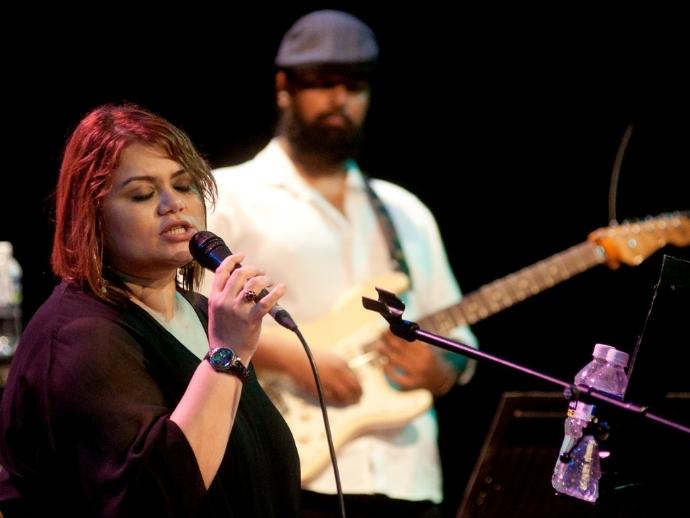
Jazz Yatra, which was first held in Mumbai in 1978, was a milestone event, bringing to stage some of the best-known names in Jazz in India and across the world. “We didn’t have the facilities that aspiring Jazz musicians have today. We learnt what we know on stage and have a more practical approach to music than an academic approach,” says vocalist Saigal. She credits her stepmother — Kolkata’s Jazz idol and vocalist Pam Crain — for giving her mixtapes of Jazz music that got her hooked onto the genre. “While my friends were listening to Madonna, I was listening to Anita Baker,” adds Saigal, who has performed at Jazz Yatra innumerable times. Some of Saigal’s most memorable performances at Jazz Yatra are those that have included Harmeet Manseta, one of India’s finest Jazz pianists. “With Jazz, you have to internalise what you hear and make it your own,” says Manseta.
Among other international artistes, American saxophonists Sonny Rollins and Stan Getz and guitarist Larry Carlton have performed at Jazz Yatra. “I would be that kid who wanted to help out with anything at the Jazz Yatra and would find a way to attend all, three days,” says Jazz guitarist and composer Dhruv Ghanekar. “I watched everyone including Pam Crain, Don Saigal, and Louis Banks perform here,” adds Ghanekar.
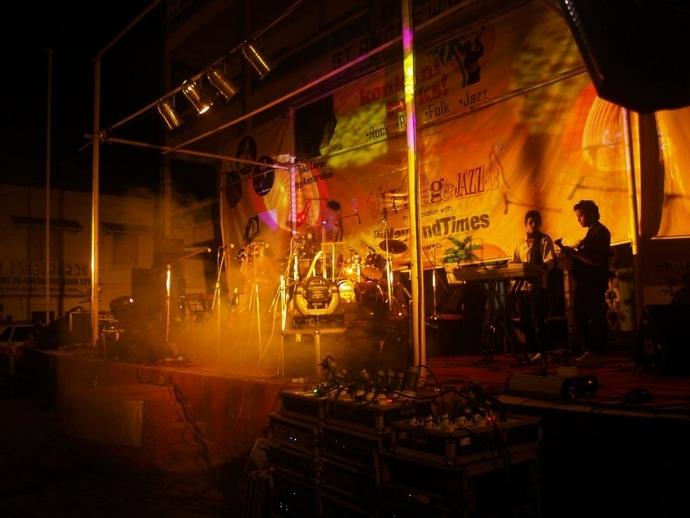
In 2005, Jazz Yatra turned into Jazz Utsav and began to be helmed by the recently deceased Jazz aficionado Soli Sorabjee, who was also the former Attorney General of India. Sorabjee was also responsible for bringing Jazz Utsav to Delhi in 1984. When Sorabjee passed away in 2021, Saigal performed at a tribute concert titled ‘Salaam Soli’ held in his memory. “The first show that I performed in Delhi was organised by Soli so I will never forget what he did for Jazz in India,” Saigal had said ahead of the tribute. While no other festival in India has been able to contribute to the growth of the Jazz scene in India as much as the Jazz Yatra has, Saigal believes that the genre continues to gain followers.
World-renowned Jazz trumpeter Wynton Marsalis has been famously quoted saying: “Jazz music is the power of now.” It is a music that endures, and it is also one that evolves.
Read more.
Music lovers, head to The Hills Festival, Meghalaya this November for Khasi tunes and local food!
Lollapalooza music festival coming to India in 2023
Rekhta Foundation to host Anjas Mahotsav — the first-ever festival devoted to the Rajasthani language