
Steamed, poached, fried—there are many variants of the famous kofta that transformed into one of the finest showcases of culinary functionality and showmanship
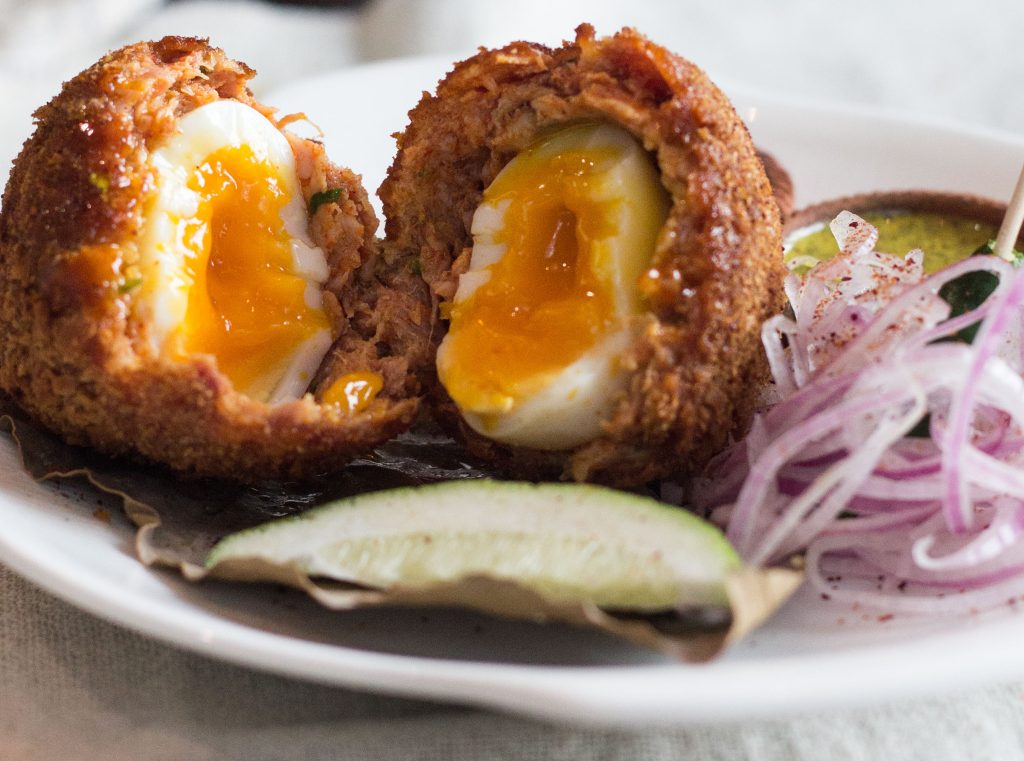
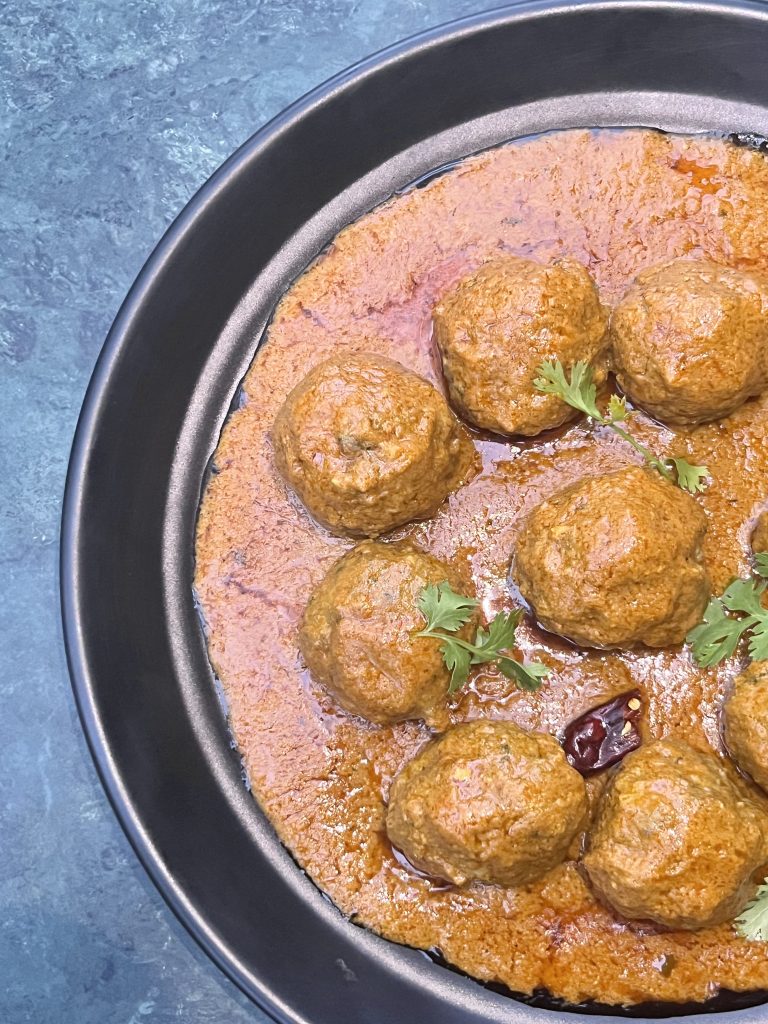
If there was one dish in medieval India that proved to be a great equaliser, it was undoubtedly the kofta. Think about it. The dish, which as per food lore came to India from Turkey via Samarkand as a flavoured meatball called kufta or Köfte, soon transformed into a dish that could blend into any cuisine and still hold centre-stage. This fascinating transformation could be region and community inspired—kofte went from the mildly seasoned, steamed Goshtaba to Mughaliya kofta in Shah Jahan’s court to the delicate Chui Mui Kofte and the hearty Kaima Balls, a staple of Military Cafes down south, to the Anglo-Indian Ball Curry. Then, there’s the standard practice of serving kofta in a qorma style rich gravy.
Like a Kebab, but not a Kebab
“Fascinatingly, that clever pairing with a rich gravy,” says Chef Sabyasachi Gorai, Founder, Fabrica By Saby, “Delhi gave kofta not only its place in the Indian culinary matrix and inspired a thousand variants but also set it apart from the kebabs that had earned a reputation of a doppelgänger that swung between snack and main course before finding their space as a go-between.”
The confusion, according to the culinary explorer, was for a good reason as the making of koftas even today follows the same flavouring technique as kebab, where the herbs and spices are added to the hero ingredient, which can be meat or vegetable or paneer/chenna. “And then,” he continues, “depending on the region, these delicious globes are either fried, steamed or cooked with the gravy like the Kashmiri Mutz or Mutsch.” A Kashmiri Hindu cuisine speciality, the beauty of this fennel-flavoured kofta is not only its oblong shape but also the twin flavouring: The first during marination and the next while it slow poaches in the buttermilk-based fragrant gravy. “It is a part of the special ceremonial thali during Navratri. The Mughaliya kofte, where golf ball sized meatballs are simmered in a curd-based velvety gravy is said to have taken its inspiration from the Mutsch,” he adds.
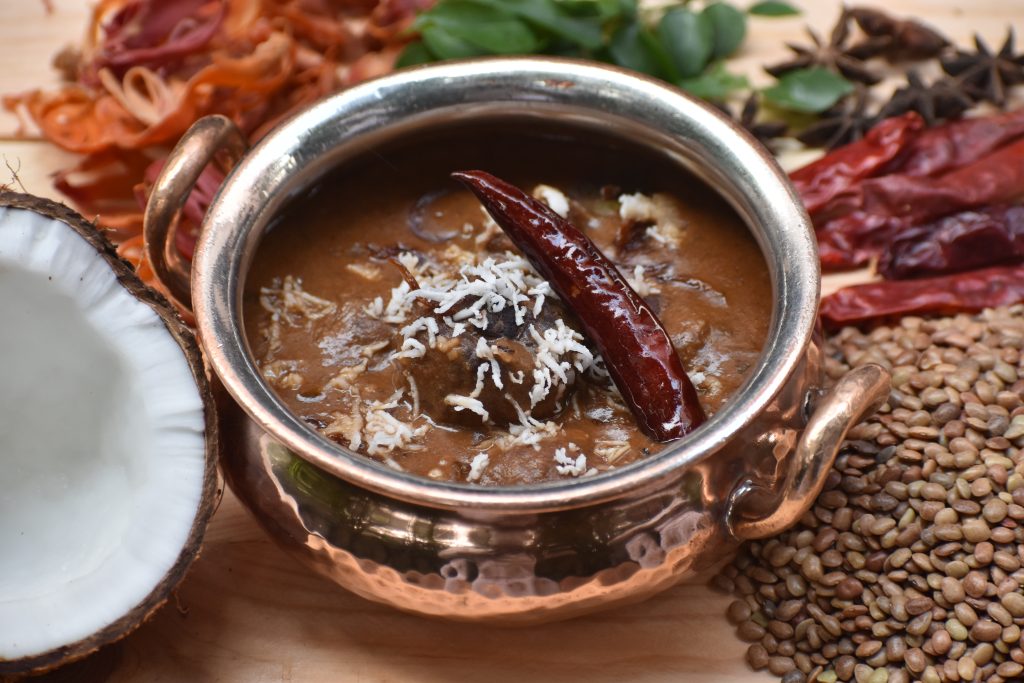
Then there is the Pondicherry special called kasa kasa kola urundaiy. Inspired by mercenary soldiers and Mughal cooks traveling there for new avenues, this kofta is made with roasted poppy seeds, coconuts, and star anise/aniseeds and is served on a smooth, balmily rich coconut milk-based gravy.
The vegetarian playbook
The localised seasoning was but one facet of the great kofta story, which found much of its distinction in its vegetarian adaptation that saw almost every ingredient transform into a delicious orb served haute couture style. The start, of course, was with the now famous Malai Kofta Curry. “Made with chenna or paneer,” says Executive Chef Akshraj Jodha of Gurugram’s ITC Grand Bharat, “this version of the Turkish Kofte not only was fried to perfection—crisp on the outside with a rich, melt-in-your-mouth texture within—but also lay the foundation for a new chapter of techniques that could turn around some of the bland but accommodating ingredients into works of culinary delight.” According to him, the lauki ka kofte and the subz bahar kofta, both an ode to the farmers’ basket of the time, were one of the earlier iterations that redefined the vegetarian gourmet meal. “Since then,” he continues, “there have been as many versions as a creative mind could think of, including ones made with banana flower, plantain called kele ke machhi, mushroom, arbi and alubukhara or apricot.”
Bottle gourds in Kofta!
In fact, the advent of vegetarian koftas, explains Chef Jodha, proved to be revolutionary not just for kofta making in general where often bright hued vegetables like beetroot and spinach were used to give koftas a bright tinge and flavour; but also brought some of the side-lined ingredients to the fore. “Take the Kofta Angoori,” he says, “made with bottle gourd and served in an almond onion rich gravy. It is said to have started the practice of using chillies rather than pepper in Aurangzeb’s kitchen, and usually was adopted to local flavours and palate whenever the emperor travelled. Such was the fascination with this kofte varietal that it launched a thousand alike in a few years bringing gourds into the front of the scene.”
Similarly, other functional produce now took centre-stage like the Sindhi aani ji bhaji that used chickpea as kofta served on a rich gravy and could rival that made with fish, and the Odia kadali bhanda (banana flower) kofta that could challenge any good Bengali mangsho kofta curry. Years later, this innovation would lead to creations like Kofta Karma by Chef Hari Nayak of Sona, where sesame-studded golden crust koftas are served on a luxuriant green sauce; Chef Sanjeev Kapoor’s signature dish, Shaam Savera, which is a fabulous ode to malai kofta; and the green peas and sweet potato kofta by Indian Accent’s Chef Manish Mehrotra. The Jodhpur Nargisi Kofta, which was a street style take on the Nargisi flower inspired meat variant with egg on the inside. Just that in this case, the kofta is made with beetroot and potatoes, boldly spiced, and fried to crispness.
Kofta’s ambiguous history
To a dish that became a hallmark of culinary ingenuity, functionality and zero wastage, there are several stories about how exactly the dish came to India. While popular food lore credits the Silk Route to get the kofte from Turkey to India where it became kofta; there is another school which believes kofta, inherently a meatball, is Indian, thanks to its mention in Sushruta Samhita as ullupta mansam, which seems to be have a similar description. Yet another school calls it the influence of the Spice Route that brought in meatballs from across different cultures: The Arabs, Armenians, Jews, Parsees, and eventually the colonial trinity of Dutch, Portuguese, and British. Fascinatingly, each of them inspired an interesting take on the globally beloved dish: Be it the kaima balls or kaina unde that has different regional and community variations; the Anglo-Indian meat ball curry got its Military Café standard Kaima Balls that led to quite a few versions including the kola urundai (keema meatballs) in Madhurai to the Anglo-Indian Pork Meatball Curry and the Parsee Papdi ma Kebab, which unlike the name, is golf ball sized and cooked with broad beans.
What made the Kofta popular?
Koftas’ popularity initially was because of the familiarity with kebabs. Given that the seasoning process was the same, kofta scored on the known taste factor. What set the kofte aside was the way it was shaped—usually oblong or golf ball sized—and its further treatment. Most koftes back in the day were steamed in the gravy that they would be served with. “Frying,” says Chef Gorai, “was most limited for the vegetarian variety till kofta emerged as this clever vehicle that could take prime meat cuts with as much ease as they took trimmings and offal. Then came the use of these koftas.”
While old texts are replete with kofta curries that cemented the kofta’s role as a main course dish, there were a few versions that brought the versatile side to the fore like the Awadhi Chui Mui Kofte.
“This,” says culinary explorer Quddus Abdul, “was created around the same time as bhagu ke kebab that scored on delicacy and thus had to be served modern-style on a bed of a rich gravy. Similarly, the Hyderabadi shikampuri kofte that follows the same suit as the kebab till it is fried to a golden-brown hue and served on a rich, tangy onion-based gravy.”
When Kofta went the whole nine yards
Interestingly, despite the presence of kebabs, there was this span of time—from the Delhi Sultanate, Mughal, Awadhi and to the Nawabi era—when kofte ruled the fine dining roost in the kings’ court and elsewhere. A time that saw the creation of Muallae Ajam, which were massive koftas made in a round-bottomed vessel (pateeli) and continued with the likes of Maulana Rashidul Khairi Kofta Biryani for Bahadur Shah Zafar and Awadh’s famous Nargisi kofte. “This,” Chef Gorai states, “blended with the scotch egg evolution and later created the now famous Dimer Chop, a popular street food in Kolkata along with a special Mangsher Kofta Curry that uses bread slices soaked in milk as a binding factor.”
The era also saw one of the kofta masterpieces come to life called the Riza Kufta. Said to be one of the first creations by the Samarkand cooks who travelled to Babur’s court in India to create food he liked (and felt safe to eat post the poison episode), this kofta was made with dried plums and apricot.
It is said to be one of the emperor’s favourites, as much as the mutton kofta that was made to impress the first Awadh Nawab, Asaf-ud-Daula and turned out to be his. This kofta had an interesting blend of minced meat and bone marrow and was fried in animal fat and served with a chutney to cut through the dense taste. Years later, the legendary Qureshi recreated this as Roohani Kofta, a lighter mutton variant that was seasoned with curd cream and fried onions and deep fried before being cooked in a rich meat stock, thus retaining the reason the kofta retained pride of place.

Known for her columns on food anthropology, Chefs’ Retreat and wellness-based experiential tables, Madhulika Dash has also been on the food panel of Masterchef India Season 4, a guest lecturer at IHM, and is currently part of the Odisha government’s culinary council.